

Furnishings: tips for good hiding places for quails
Here are some tips on how to make good hiding places for quails. They love…
Read more about Furnishings: tips for good hiding places for quails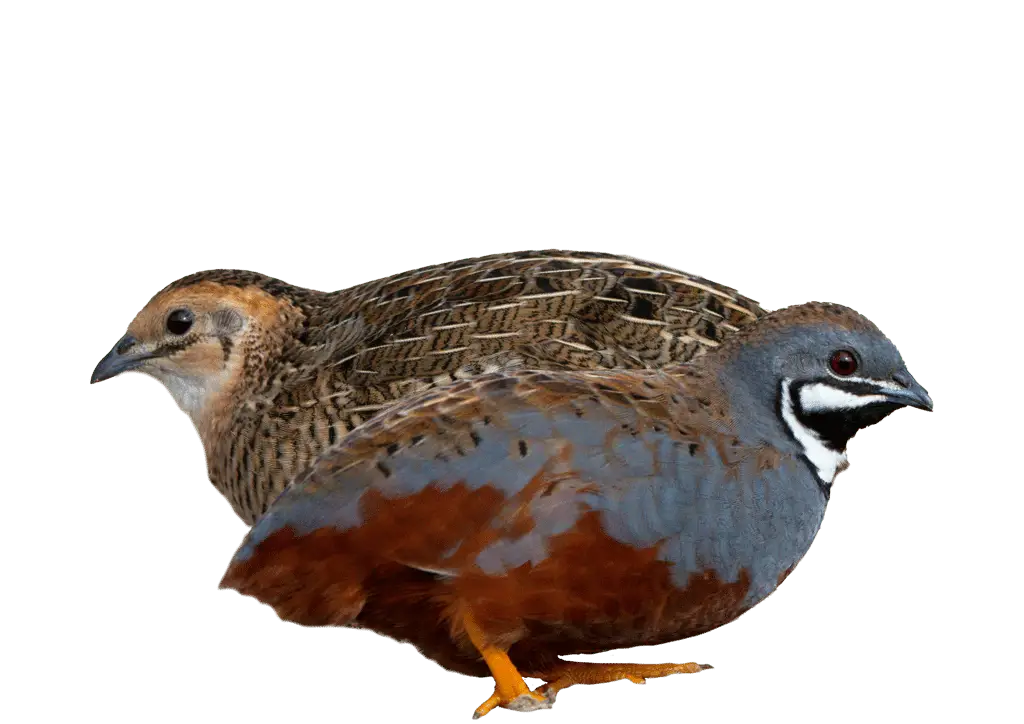
Synoicus chinensis
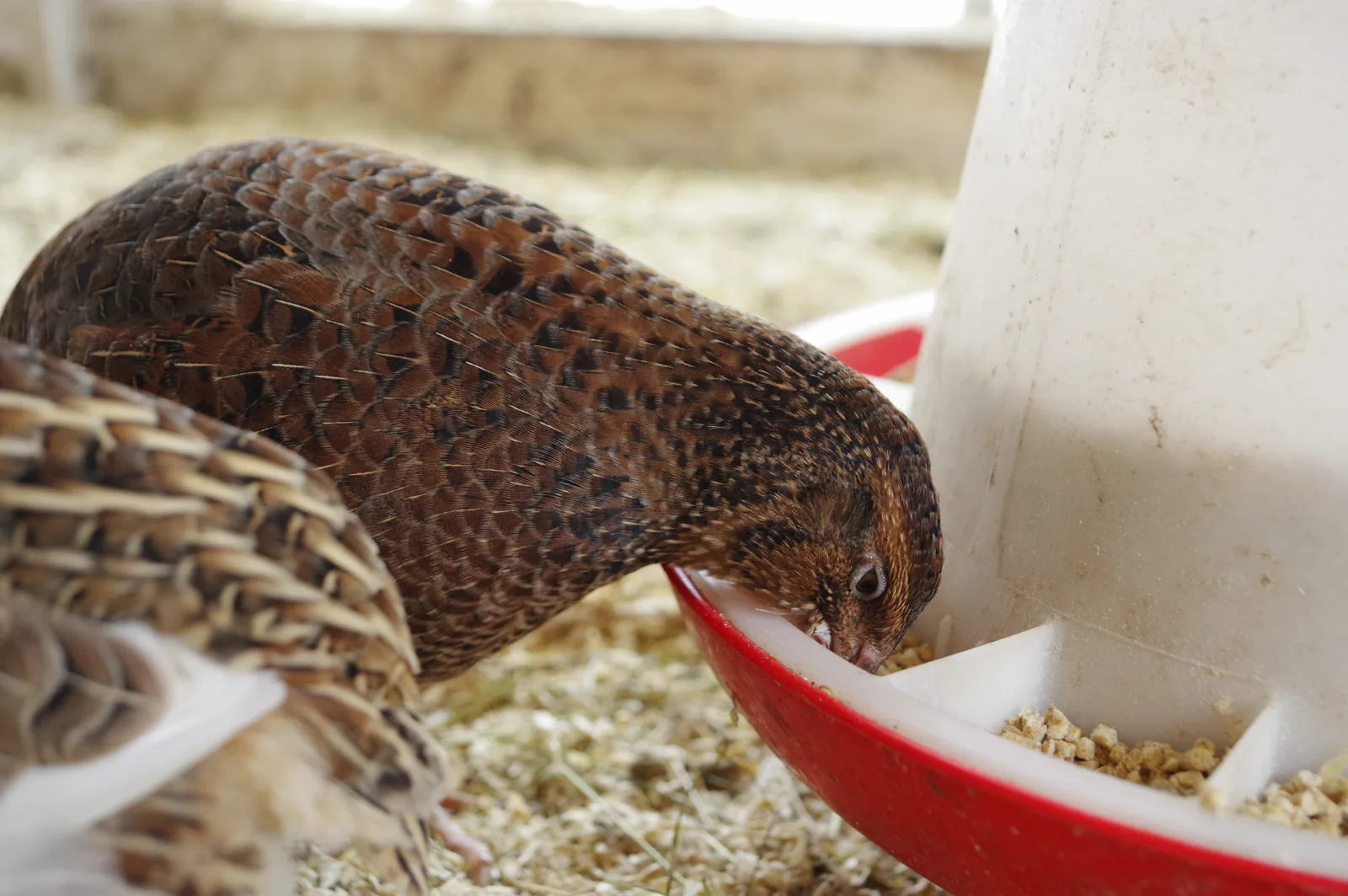
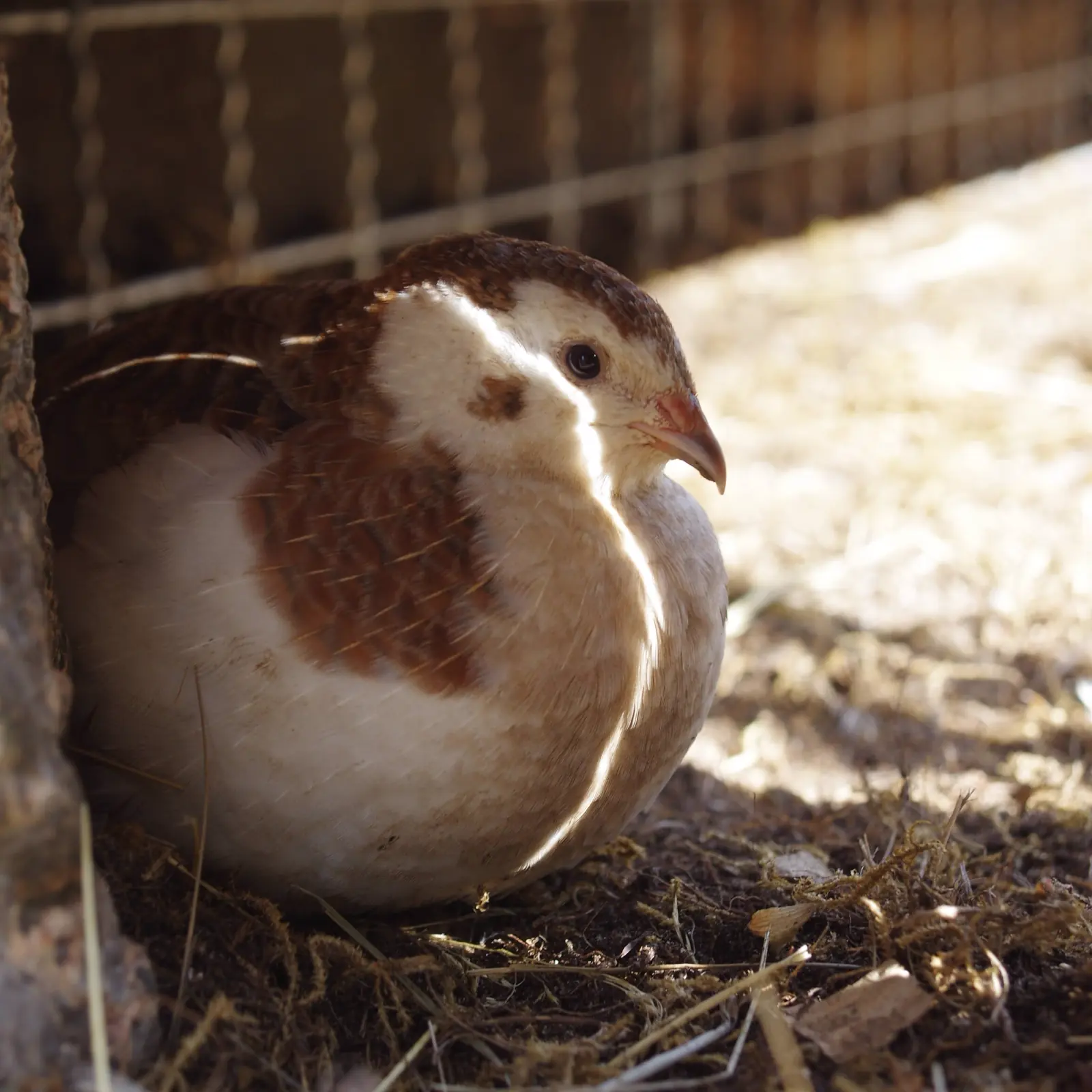
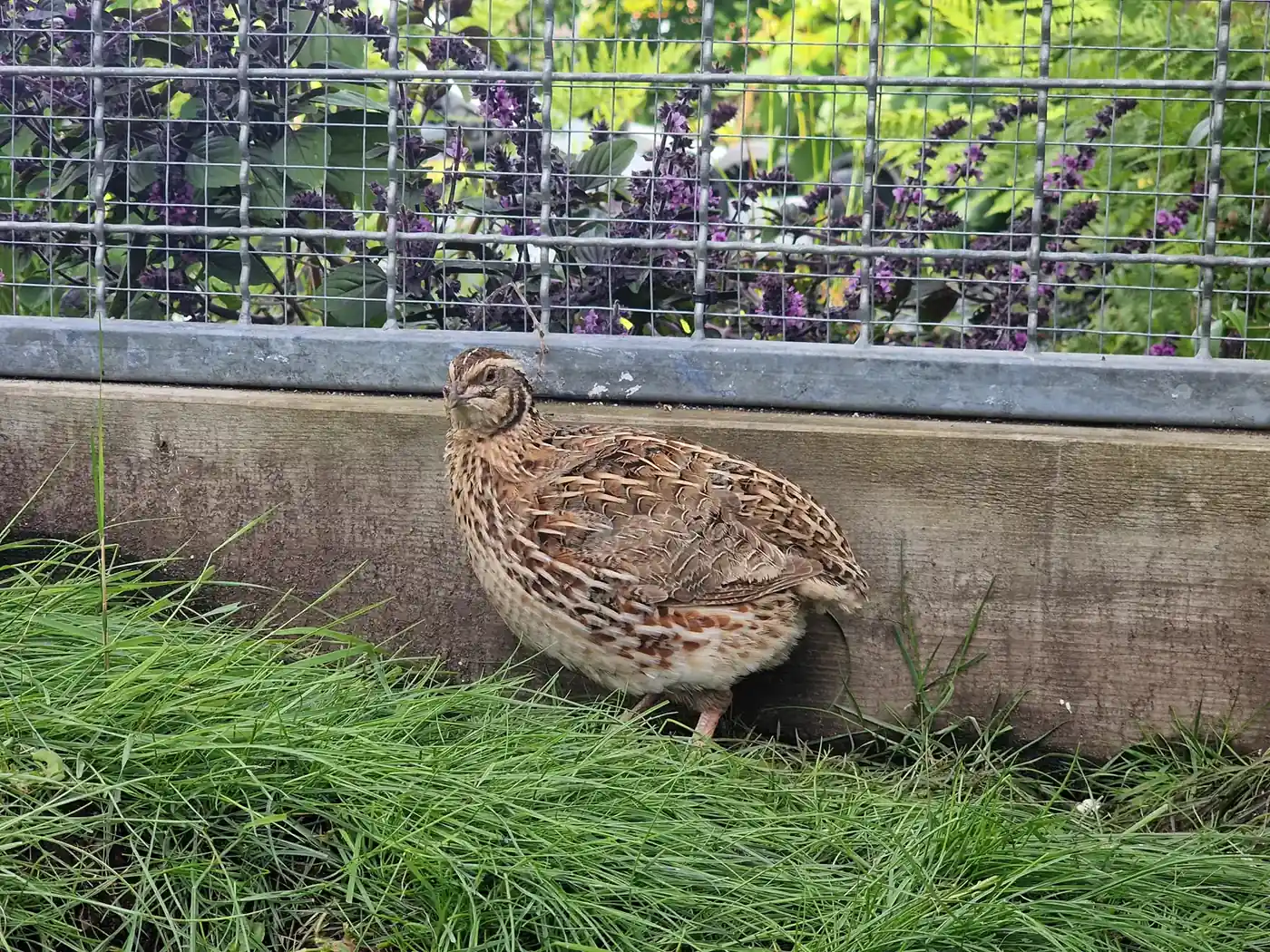
Blue-breasted quail, also known as Button quail, is one of the world's smallest quail species. They are attentive and often good at hatching their own chicks.
Blue-breasted quail are naturally found in Asia and Australia, but today they are popular as ornamental birds. They are very small, only a fraction of the size of the Japanese quail.
In my experience, Blue-breasted quail are very caring birds, and as a pair they are often willing to hatch chicks on their own. They are an exciting species for those who want to observe pair dynamics up close and see natural brooding in practice.
The male is very attentive to the hen, usually helps with incubation, and brings food to both the hen and the chicks before eating himself.
*Lifespan is influenced by many factors such as genetics, environment, feed and care. Consider this a guideline, not a definitive answer.
Yes, they readily brood their own eggs. Blue-breasted quail are very caring parents.
When they are allowed to live together as a pair, they build a nest together and hatch their own chicks. The cock is just as involved in incubation and raising the chicks as the hen.
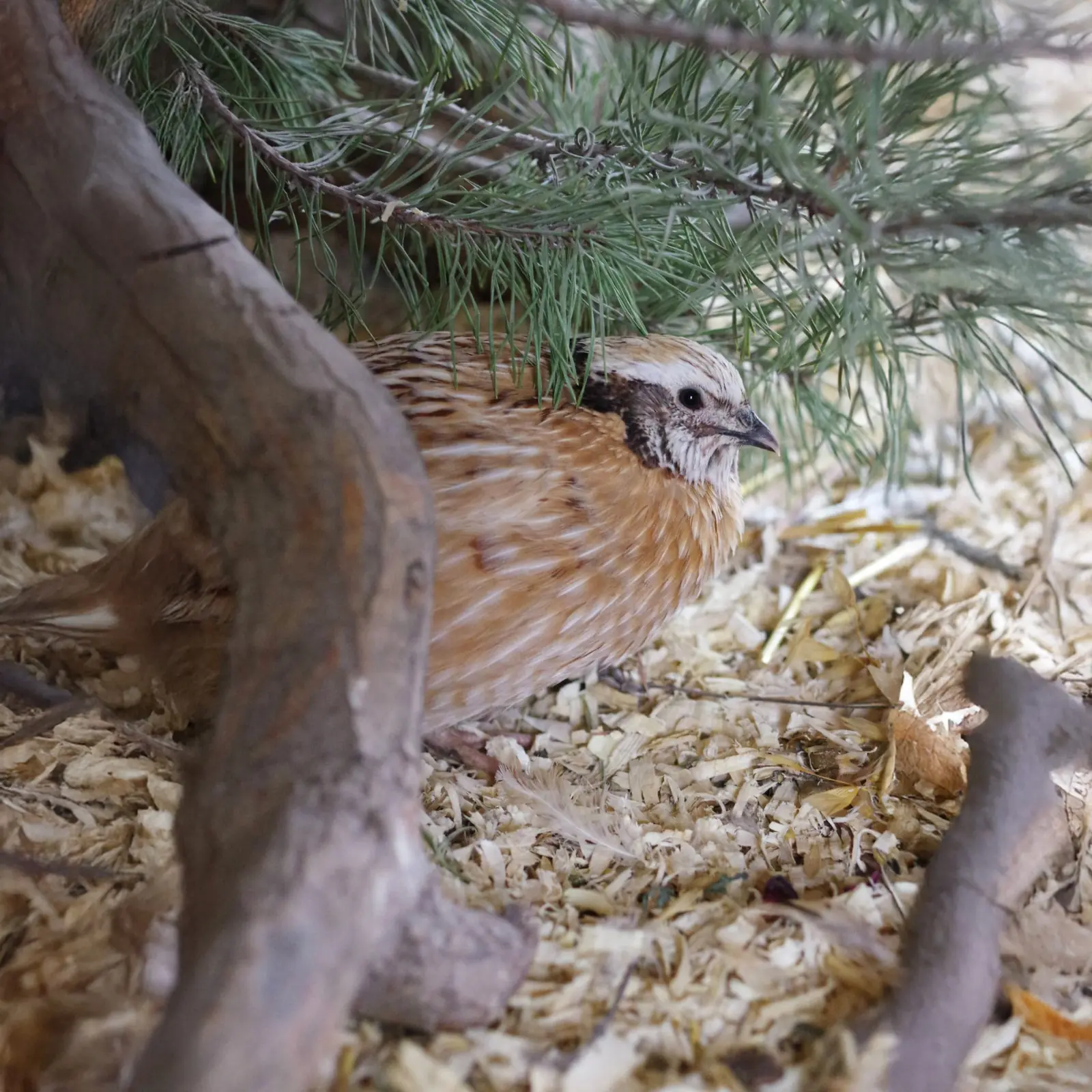
Here are some tips on how to make good hiding places for quails. They love…
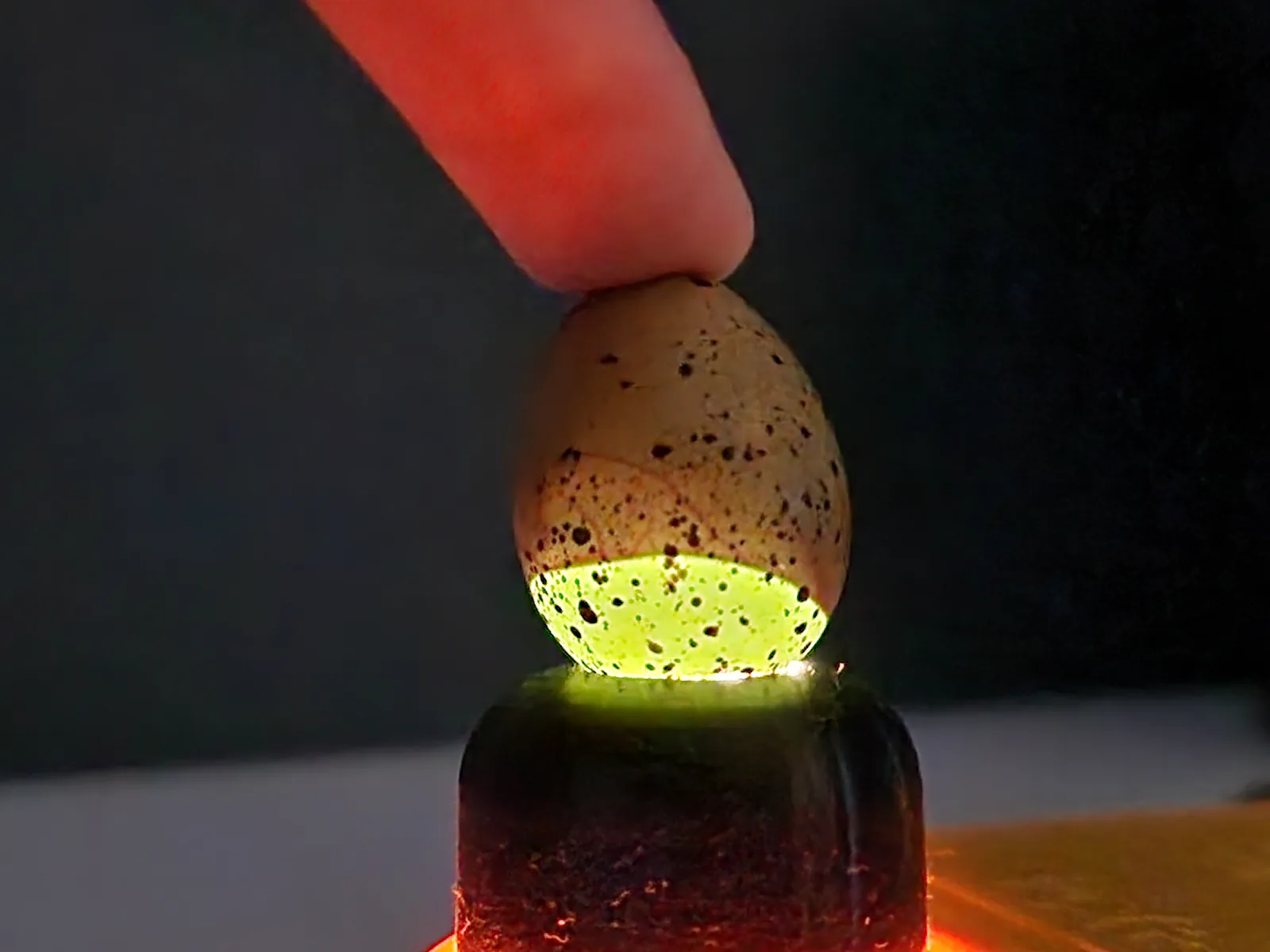
Read more about Furnishings: tips for good hiding places for quailsHatching quail eggs is an exciting experience for all ages. Take a look at the article Incubating quail eggs: step by step, where I write in more detail about the whole incubation process.
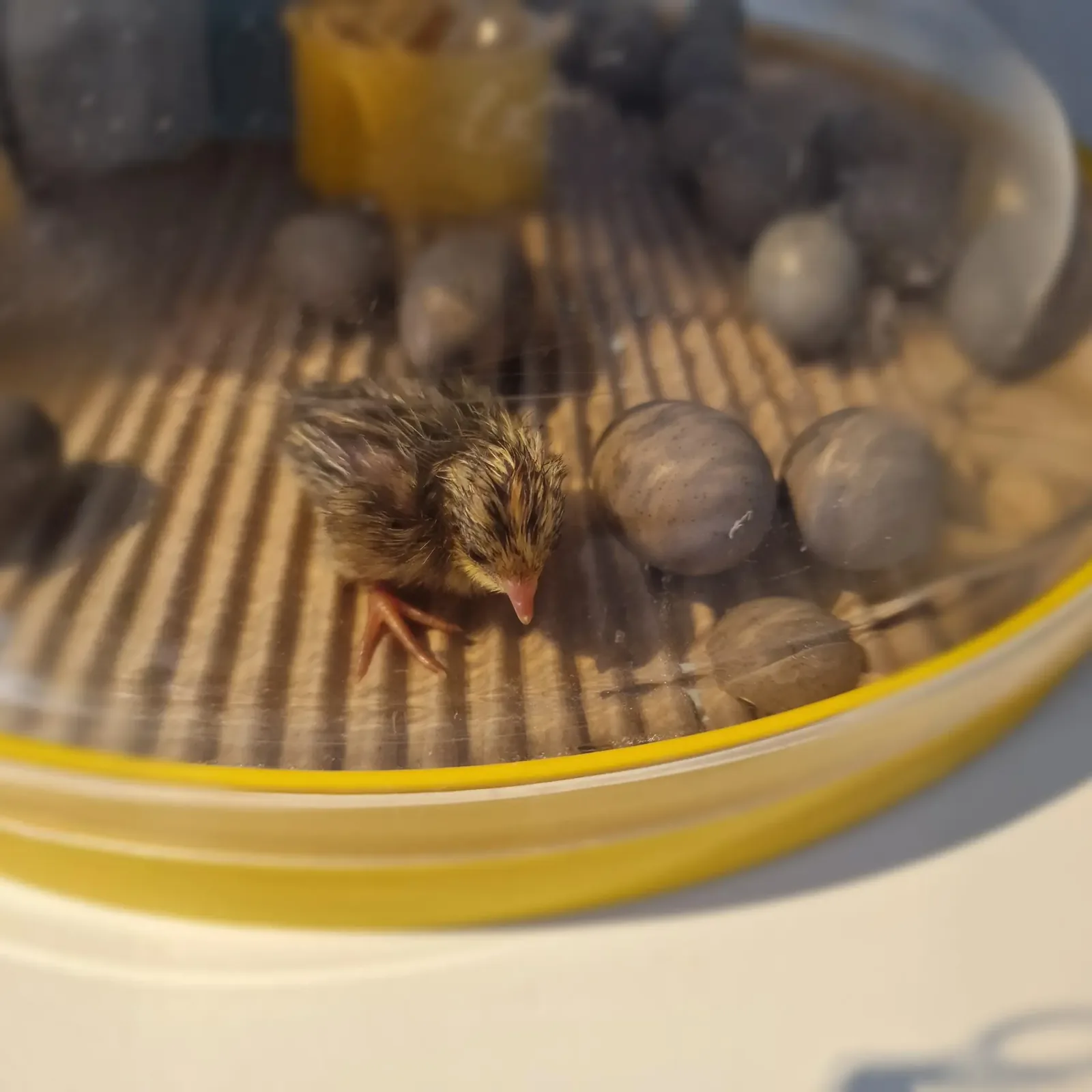
Incubating quail eggs is not that complicated, but we need to pay attention to the…
Read more about Incubating quail eggs: step by stepBlue-breasted quail reach sexual maturity at around 10–12 weeks. This is also when they start laying eggs.
Ideally, wait until they are closer to 2.5–3 months old to be sure of good fertility.
Blue-breasted quail do best in pairs: one cock and one hen.
I have tried keeping a trio with one cock and two hens. They cooperated well on the incubation itself, but one of the hens was pushed out when the chicks hatched, and the three could not agree on raising them. In this case I chose to take the cock out, and then the hens got along well and looked after the chicks together.
It is possible to keep them in a flock, but then I recommend large, densely planted aviaries where several pairs can keep away from each other. Conflict easily arises in smaller cages. Keeping several cocks together should be avoided; they are territorial and fight, especially when hens are present.
Lifespan is affected by many factors, such as genetics, feed and water quality, lighting regime, production level, space, housing and stress, climate and hygiene.
With good care, blue-breasted quail can live 3–6 years. Individual birds can live longer, but it is rare.
There is little concrete documentation from their natural habitat, but several sources suggest about 1.5 years.