Quail eggs

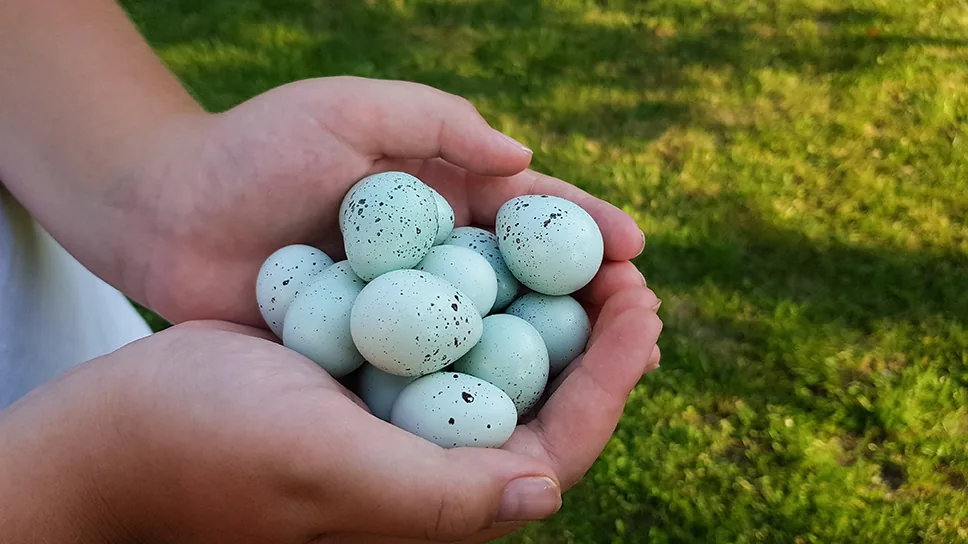
Speckled quail eggs for cooking and serving

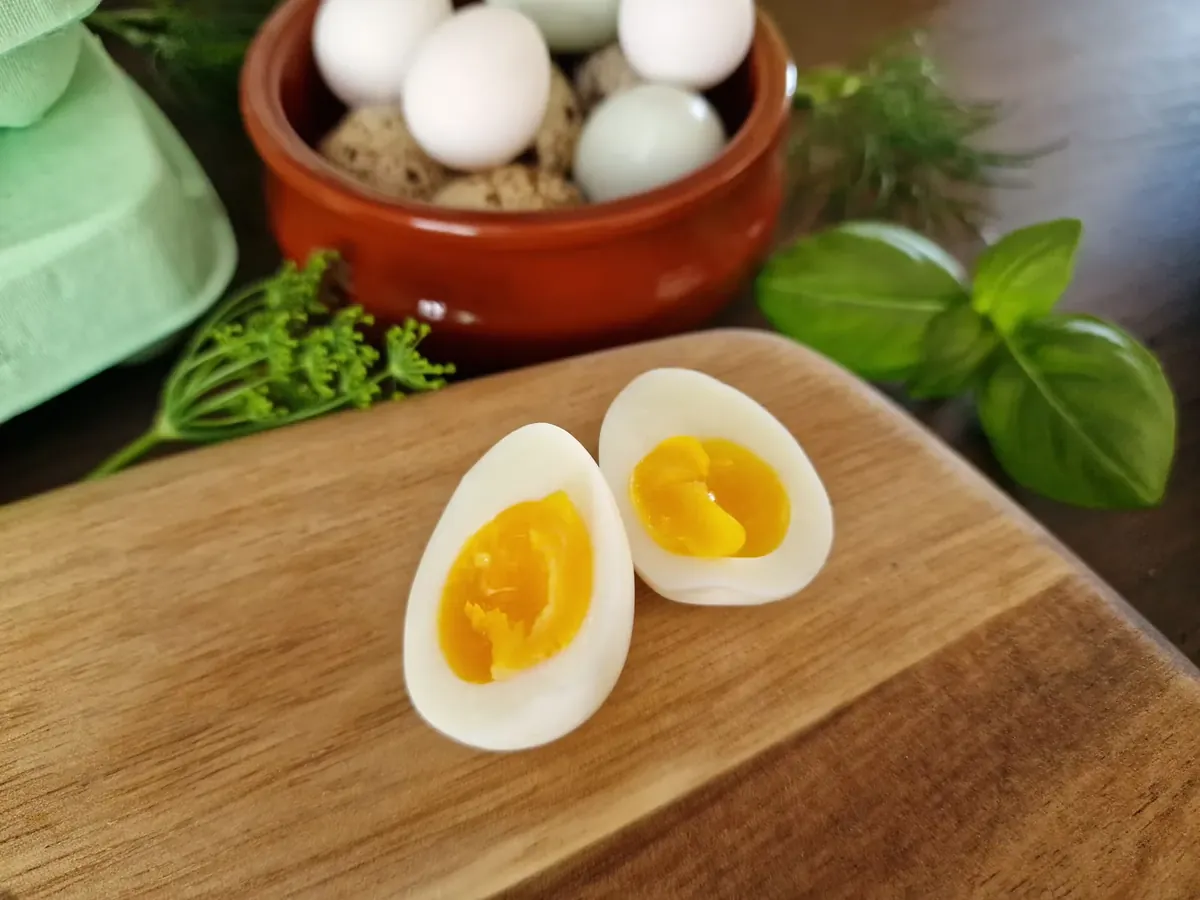
Quail eggs are small, speckled eggs that can be used much like chicken eggs. They can be boiled, fried, poached, and used in both small dishes and everyday recipes.

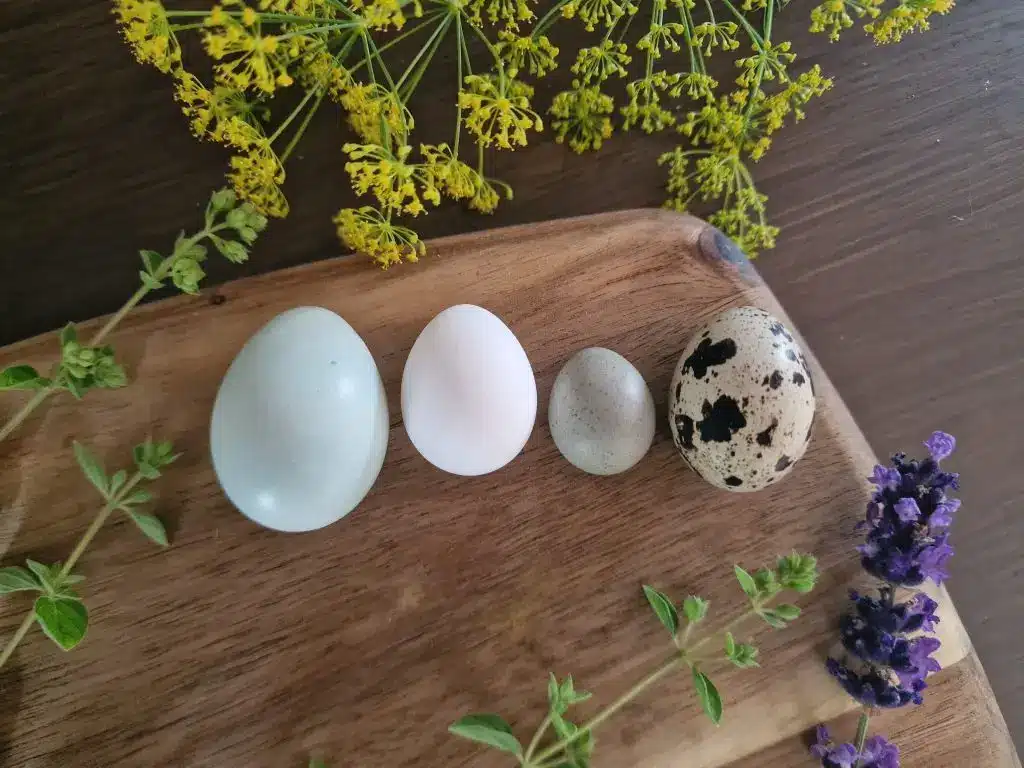
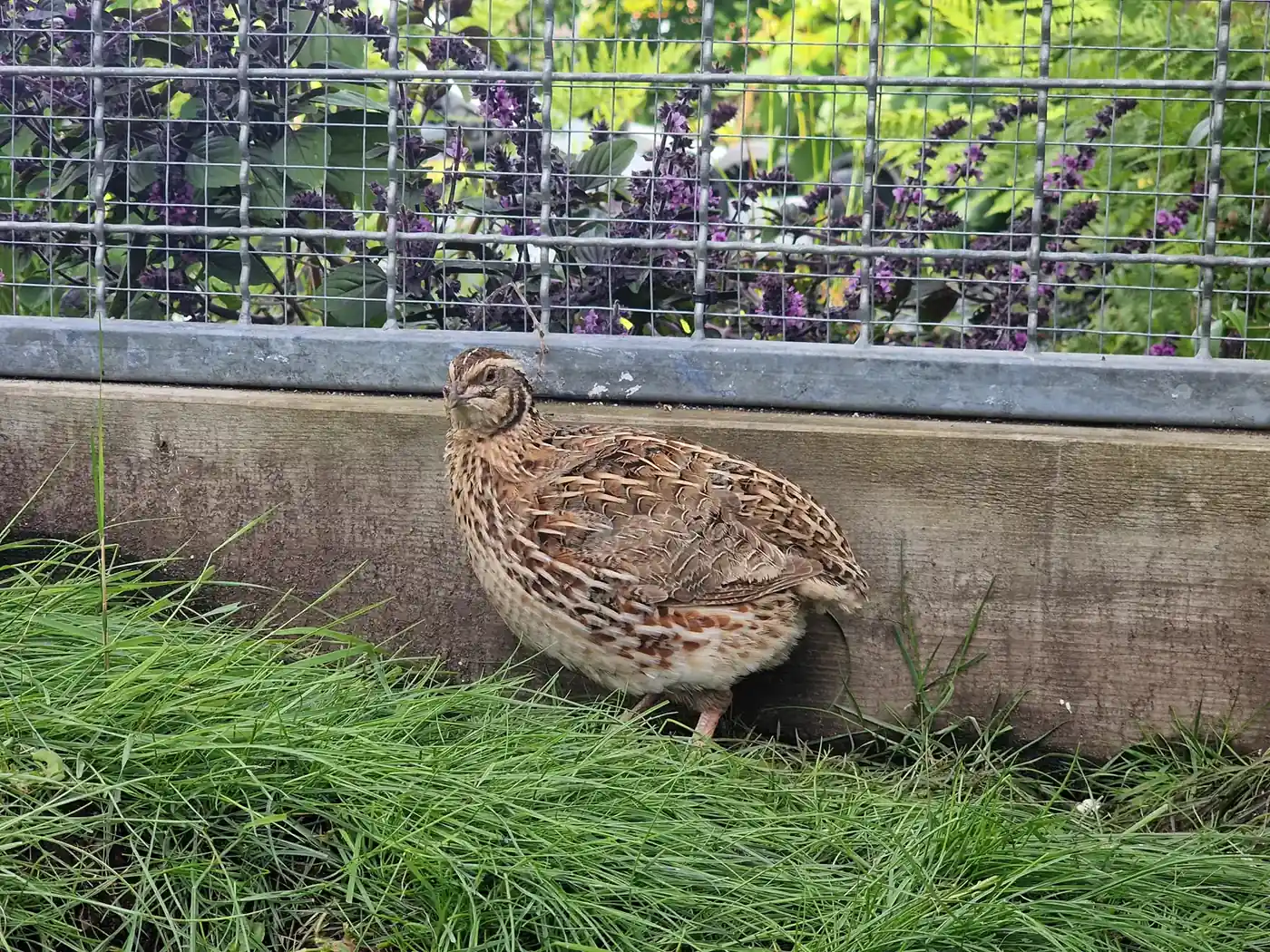
Most quail eggs used for food come from the Japanese quail, but they come in many sizes and appearances from several different quail species.

Here I explain how quail eggs taste and how they can be used, how to store them, cooking times, and recipes.

I also write a little about various claims, myths, and facts about quail eggs.

Myths and facts about quail eggs

There are many claims about quail eggs. Some are partly true. Others have been repeated so often that they sound like facts.

Myth #1

Quail eggs are much healthier than chicken eggs

What do quail eggs taste like?

Quail eggs taste fairly similar to chicken eggs.

Since they are small and have a relatively large yolk for their size, they can give a slightly richer mouthfeel. But how big a flavour difference you notice tends to be subjective.

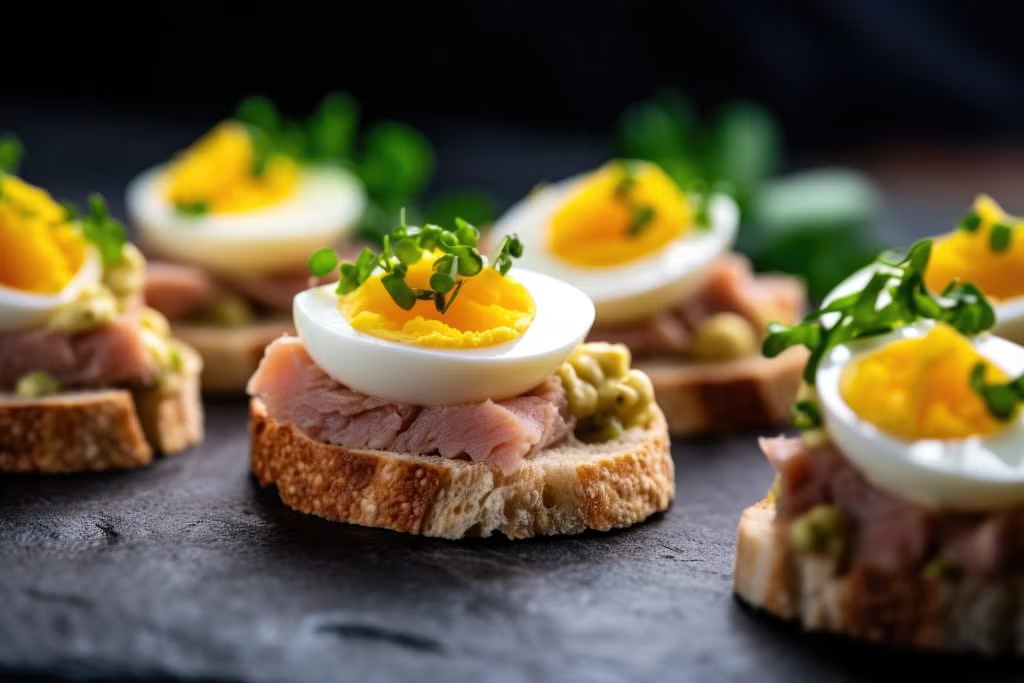
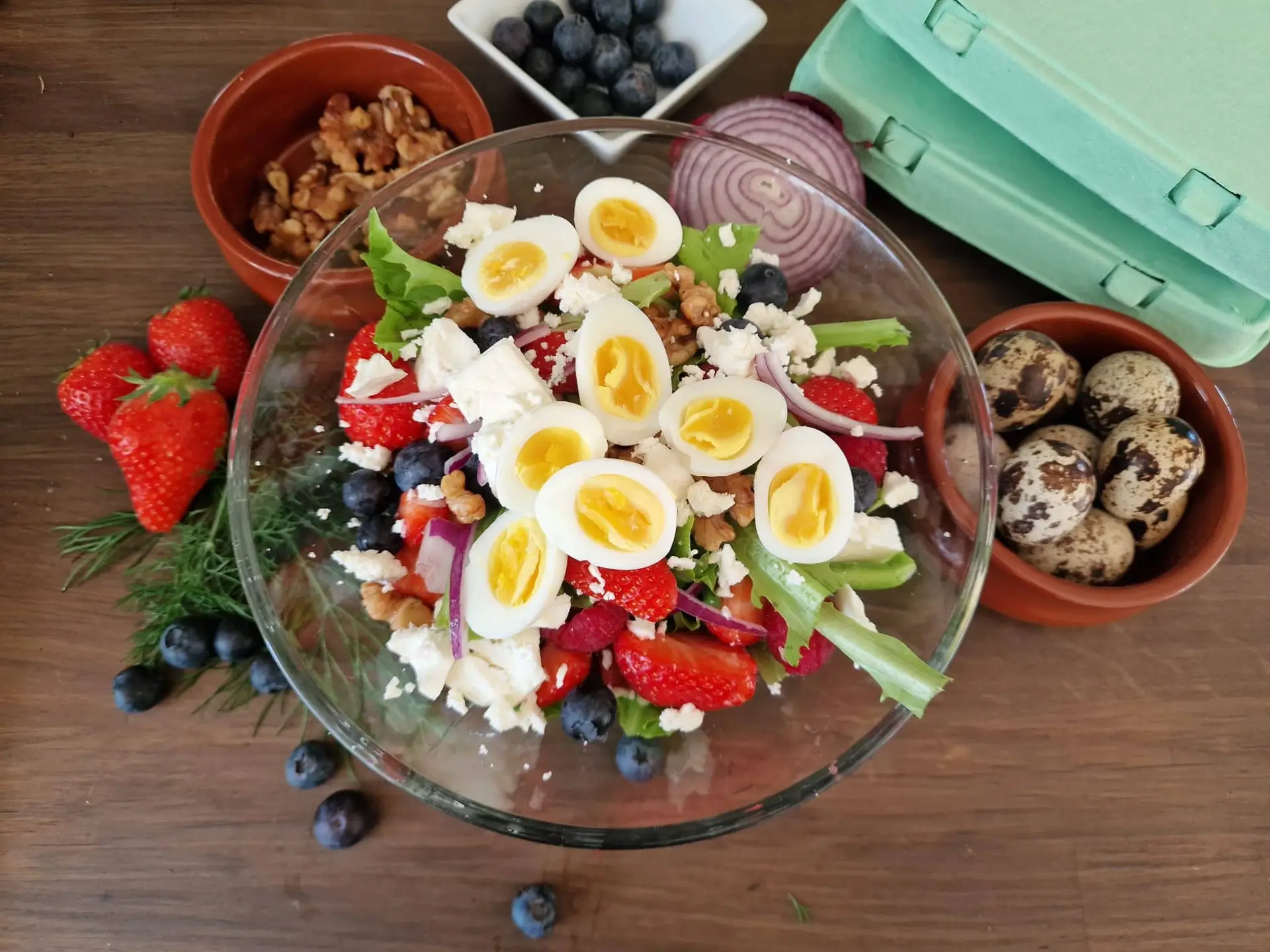
Quail eggs served as a tasty appetizer

The size is at least as interesting as the taste. A fried or boiled quail egg can sit on a small dish, an open sandwich, or a starter – and looks deliciously indulgent.

What is the difference between quail eggs and chicken eggs?

The most obvious difference is size. A medium egg from a Japanese quail often weighs around 13–15 grams, while a medium chicken egg weighs around 60 grams.

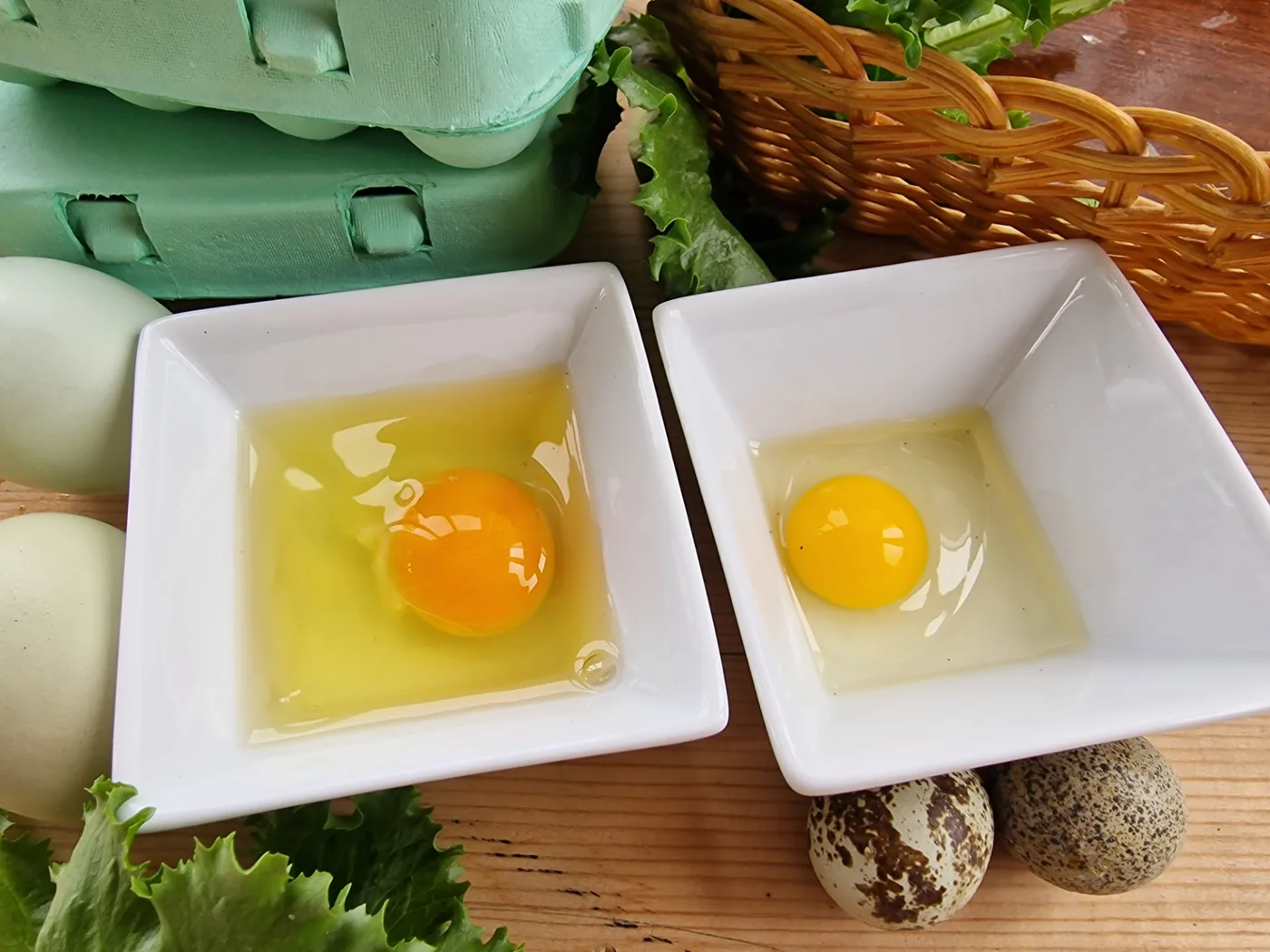
Quail eggs also have a larger yolk-to-white ratio than chicken eggs. That affects both how they feel in your mouth and how they work in certain dishes.

Chicken egg on the left and quail egg on the right, cracked into separate bowls to compare the yolks and whites

The nutritional content is not identical. Compared per 100 grams, quail eggs contain more of some nutrients and less of others.

Nutrient, per 100 gQuail eggChicken egg
Energy158 kcal143 kcal
Protein13.1 g12.6 g
Fat11.1 g9.5 g
Iron3.65 mg1.75 mg
Vitamin B121.58 µg0.89 µg
Vitamin B20.79 mg0.46 mg
Vitamin D1.4 µg2.0 µg
Cholesterol844 mg372 mg

Source: NutritionData: Egg, quail, whole, fresh, raw

How many quail eggs equal one chicken egg?

As a rough starting point, around 4–5 quail eggs equal one chicken egg. If you have large quail eggs, you may need fewer.

If you are baking or making a recipe where the amount of egg matters, it is safer to weigh the eggs than to count them.

How do you store quail eggs?

How I store quail eggs depends on what they will be used for.

For my own use

Eggs I collect for my own cooking often go straight into a basket or bowl in the fridge and are used as needed. I do not wash clean eggs before storing them.

Table eggs for sale

Eggs I sell as table eggs are stored in egg cartons in the fridge with the pointed end down. I label the cartons so I know when the eggs were laid. That makes it easy to keep track of shelf life.

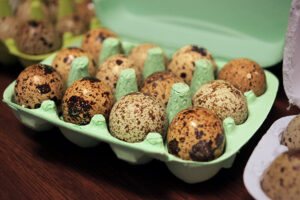
Quail eggs in an egg carton

Hatching eggs

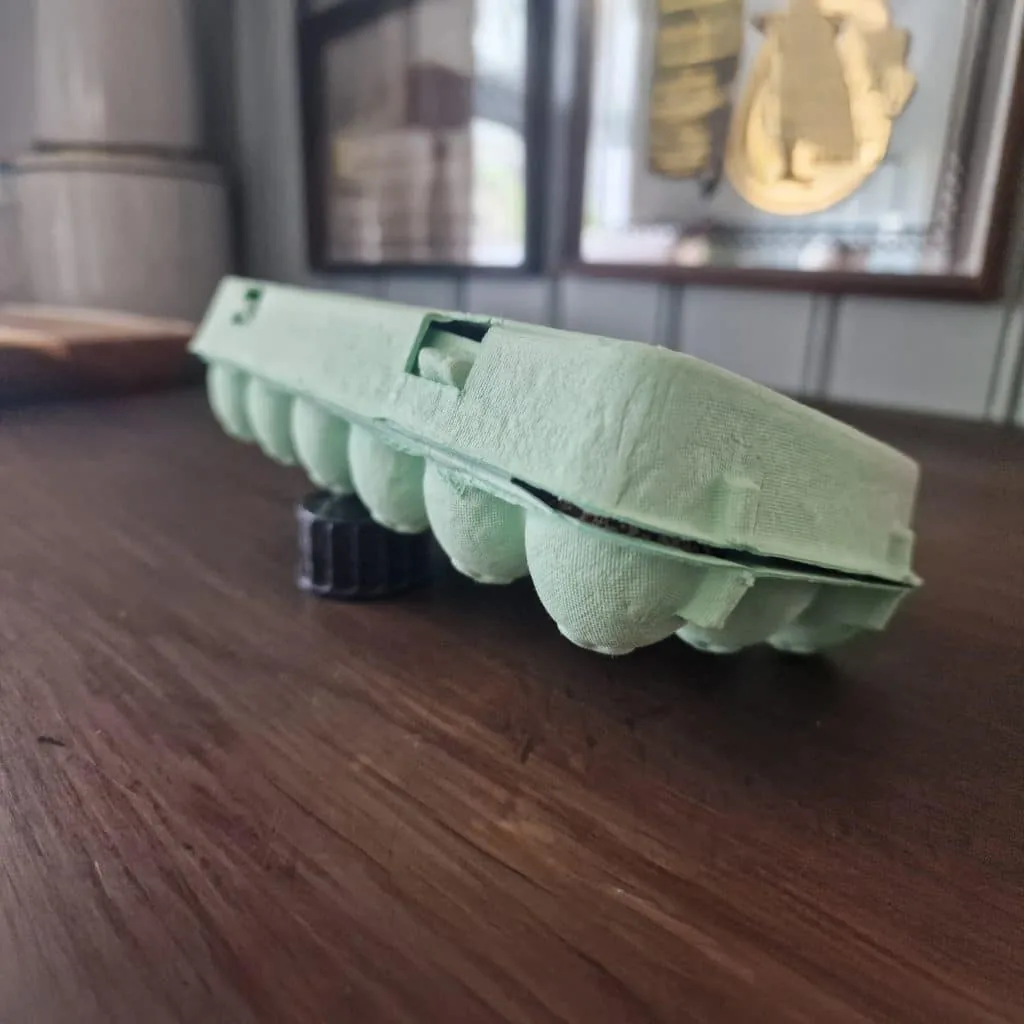
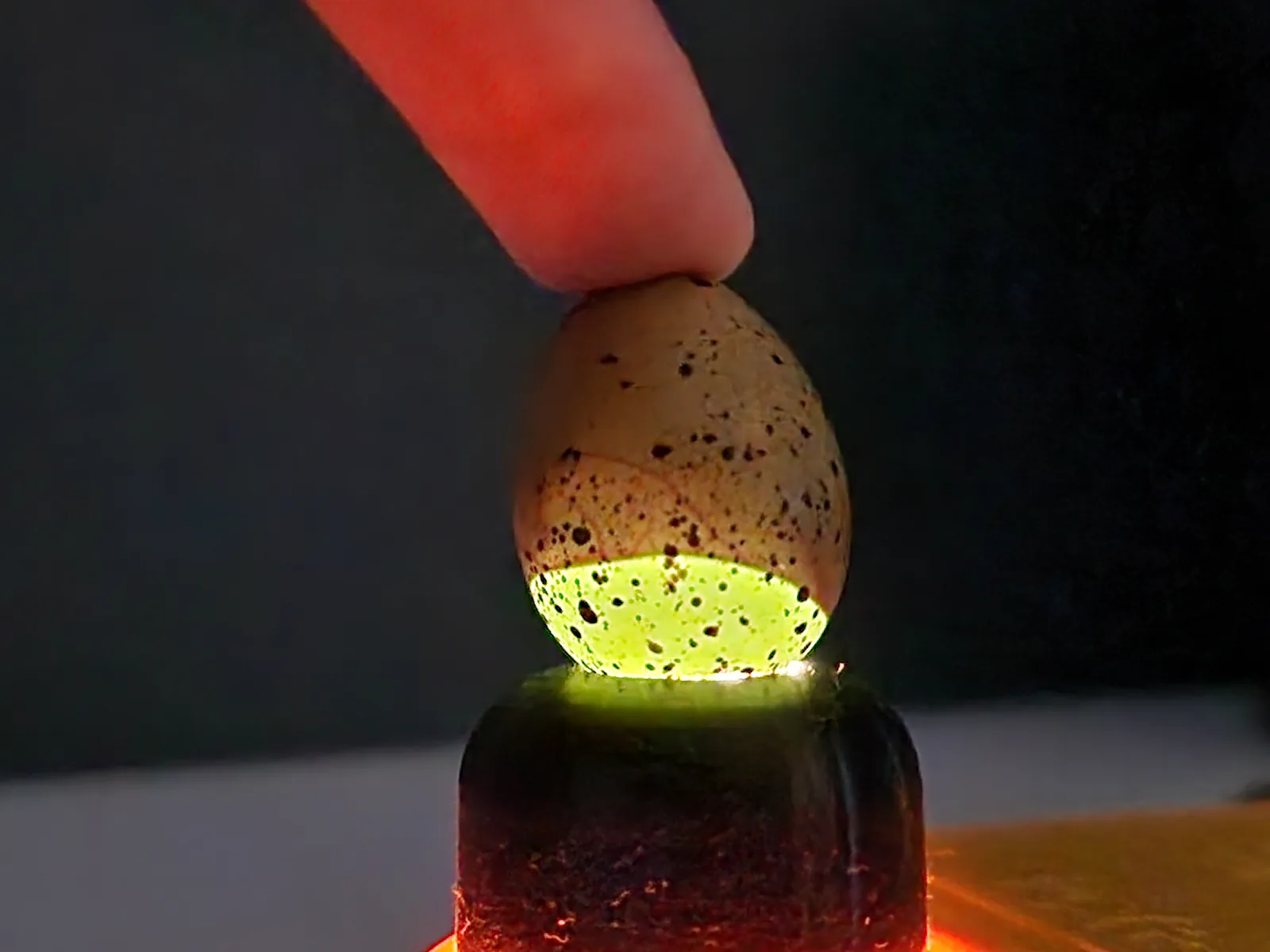
Hatching eggs I store differently. I collect them in cartons with the pointed end down and keep them at around 12–15 °C until they are incubated, collected, or shipped. While they are stored, hatching eggs should be turned 2–3 times a day until incubation begins.

Egg carton with hatching eggs tilted on a cork cap, turned by moving the cap to the other side

Hatching results get worse the longer the eggs are stored, and after 7–10 days you can notice a difference. That is why I always pick fresh hatching eggs to order and do not keep a large stock of them.

If you want to know more about storing and handling hatching eggs, you can read on in Incubating quail step by step.

How long do quail eggs keep?

Quail eggs keep for a long time when stored cool. I keep mine in the fridge.

Shelf-life date when selling eggs

For eggs that are sold, the Norwegian Food Safety Authority states that they must be stored at a maximum of 12 °C. Eggs must reach the consumer no later than 21 days after they are laid, and the shelf life can be set to 28–35 days after the laying date.

Often good after

This does not mean a quail egg is necessarily bad after 35 days. Eggs are labelled with a "best before" date, but are often still good after that.

I have eaten quail eggs that had been in the fridge for around three months with no sign of spoilage or drying out. That is my own experience. Eggs I sell must follow the Norwegian Food Safety Authority's rules for distribution and labelling.

Are floating eggs safe to eat?

An older egg gradually develops a larger air cell because it loses moisture through the shell. That is why older eggs can start to float in water. The float test can give a hint about age, but it cannot tell you whether an egg is safe to eat.

How do you peel quail eggs?

Quail eggs can be a bit more fiddly to peel and crack than chicken eggs.

How to crack quail eggs

The shell is thin, but the membrane just inside can be tough. If you simply try to crack the egg against the edge of a bowl, you may end up crushing much of the shell without the egg opening neatly.

I have developed my own technique where I tap it lightly on the counter, press a fingernail into the side and open it much like a regular egg. But if it is your first time, or you are a little unsure, you can use a small sharp knife to make a cut.

There are also special scissors for quail eggs. They clip off the top of the shell and can be handy if you are opening many eggs at once.

How to peel quail eggs

Many people say that peeling quail eggs is fiddly, and it may well be since they are so small. You will also notice here that the membrane is a little tougher.

Boiled eggs become easier to peel if you rinse them in cold water so they cool down. You can then tap it lightly on the table and roll it a little sideways with pressure, so that the shell crackles. Then you can use the tough membrane to your advantage and tear off much of the shell in one go. (A video is coming – it may help to see it in practice.)

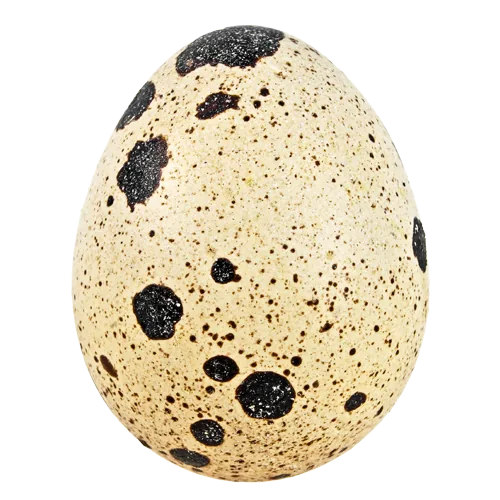
Articles about quail eggs