

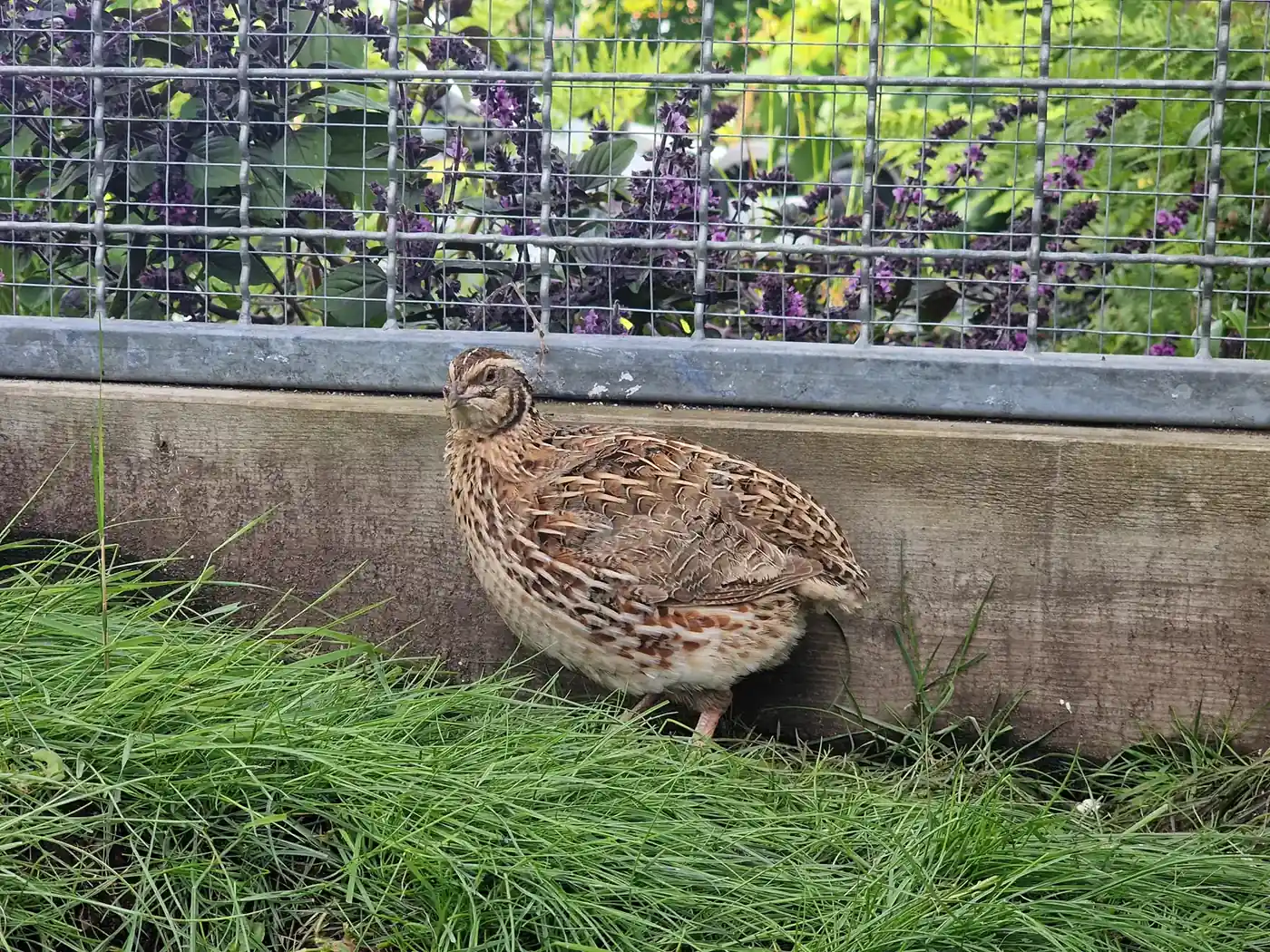
Aren't your hens laying eggs?
Let’s find out what might be causing it. Click through the questions below.
Which quail species is it?
It is easy to feel worried or impatient if your quails are not laying eggs as expected. Most of the time, there are good explanations behind it.
Why are my quails not laying eggs?
Quails do not lay eggs if they do not get enough light, protein-rich feed, access to calcium, stable temperatures and a safe place to live. Without these basics in place, egg laying may stop. Not because there is anything wrong with the quail, but because the basic conditions for laying eggs are missing.
When do quails start laying eggs?
Different quail species start laying eggs at different times and have different laying patterns. Japanese quail usually start laying at 6–8 weeks, and can be in full production after around 50 days.
The table gives a simple overview of when you can expect quails to start laying eggs.
| Species | Sexual maturity (weeks) | Starts laying eggs (weeks) |
|---|---|---|
| Blue-breasted quail | 8 | 10–12 |
| Japanese Quail | 6–8 | 6–8 |
| Northern Bobwhite | 16 | 21–25 |
Egg laying can be a little unstable at the beginning, both in frequency and egg quality.
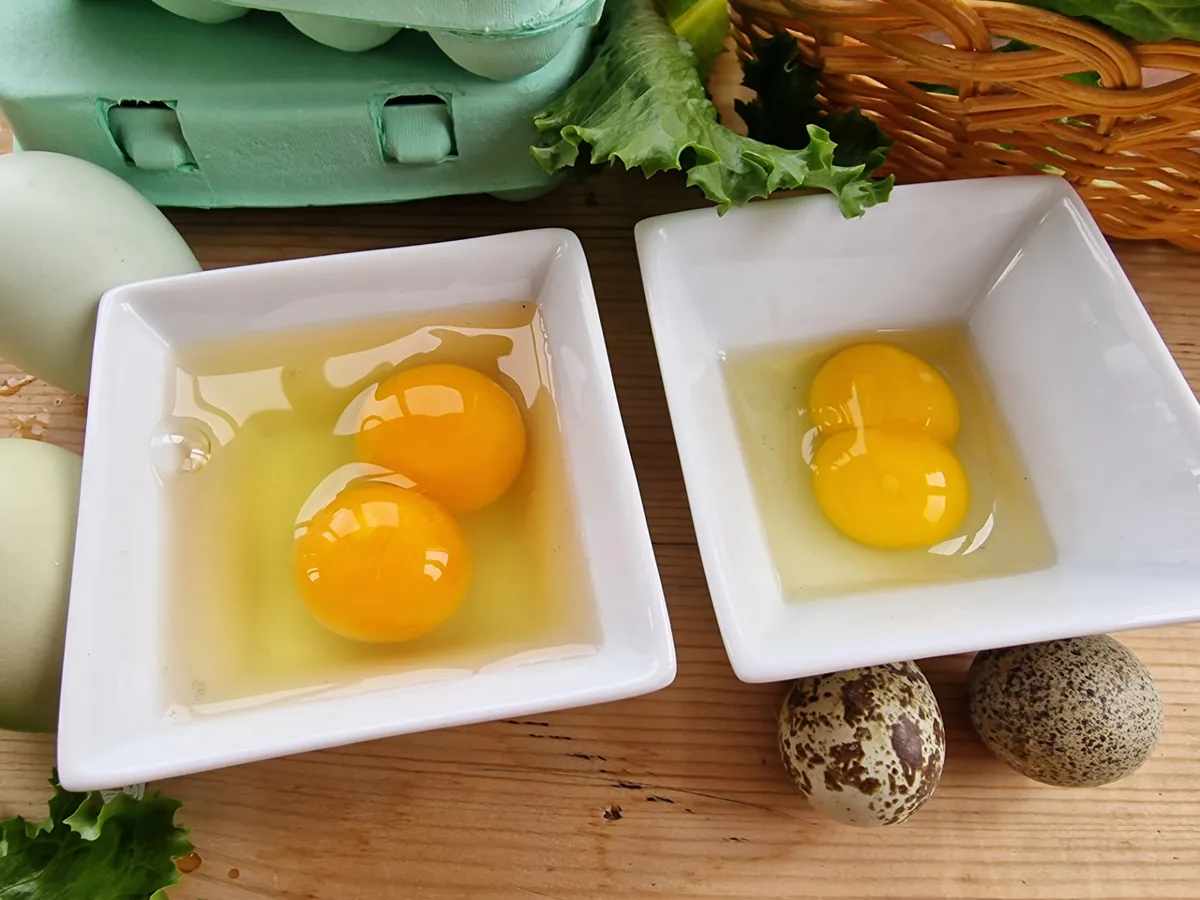
I see more tendency for eggs to be either unusually small or unusually large (two yolks in one egg) in young hens. It seems as if they need to calibrate a little at the start before finding a good rhythm in their laying.
Want to read more about quail eggs? Check out the quail eggs page.
How often do quails lay eggs?
The domesticated Japanese quail has been bred for continuous egg laying, while other species lay more according to their natural pattern, in clutches.
*Wild Japanese quail lay in clutches. Japanese quail that have been domesticated for generations lay eggs continuously.
| Species | Clutch size | Clutches per year |
|---|---|---|
| Blue-breasted quail | 5-13 | 3-5 |
| Northern Bobwhite | 12-15 | 1-3 |
The tables above should be read with a few reservations.
My own experience is that domestic quails follow a slightly different pattern from what official research on wild quails describes.
One example is the Northern Bobwhite. Research shows that in the wild it starts laying eggs in the first spring or summer after hatching, and that it usually lays one to three clutches per year.
In my experience, they start laying at 21–25 weeks of age, regardless of season, and lay more evenly through the year rather than in clearly defined clutches.
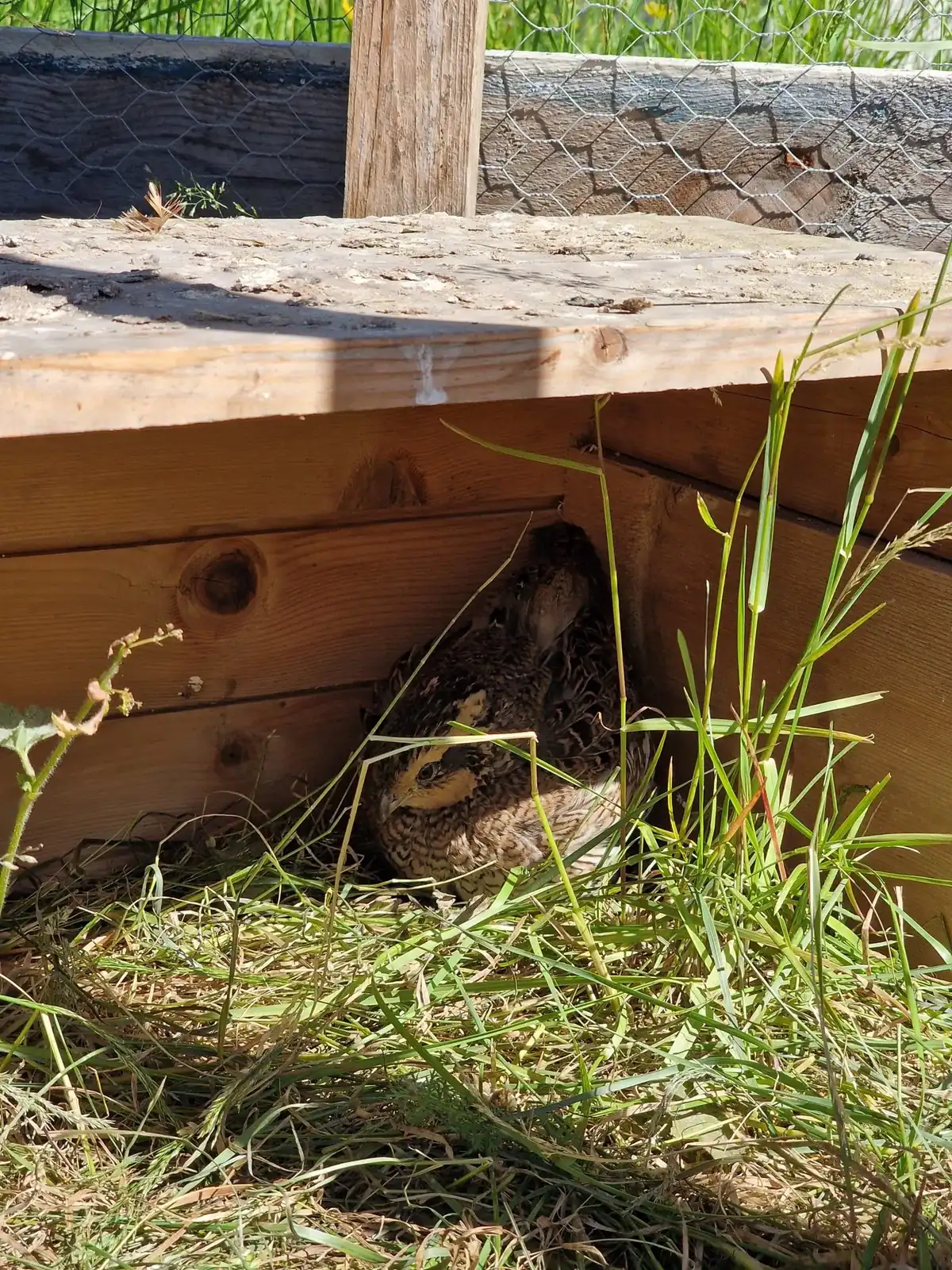
Common reasons quails stop laying eggs
Light and daily rhythm
Quails stop laying eggs if they do not have access to enough light. Japanese quail need around 14–16 hours of light per day to maintain steady production.
Shorter days in late autumn and winter can therefore affect egg laying.
Some species are more seasonal and have long natural pauses in egg laying.
Feed quality and calcium
Quails need protein-rich feed and access to calcium in order to produce eggs.
You may want to read How to choose the right feed for quails.
I use the same type of feed for hens and males, and offer calcium in the form of oyster shell in a separate feeder beside it.
The hens know their own bodies well, and eat oyster shell when they need it.
You may also want to read Oyster shell for quail: an important source of calcium.
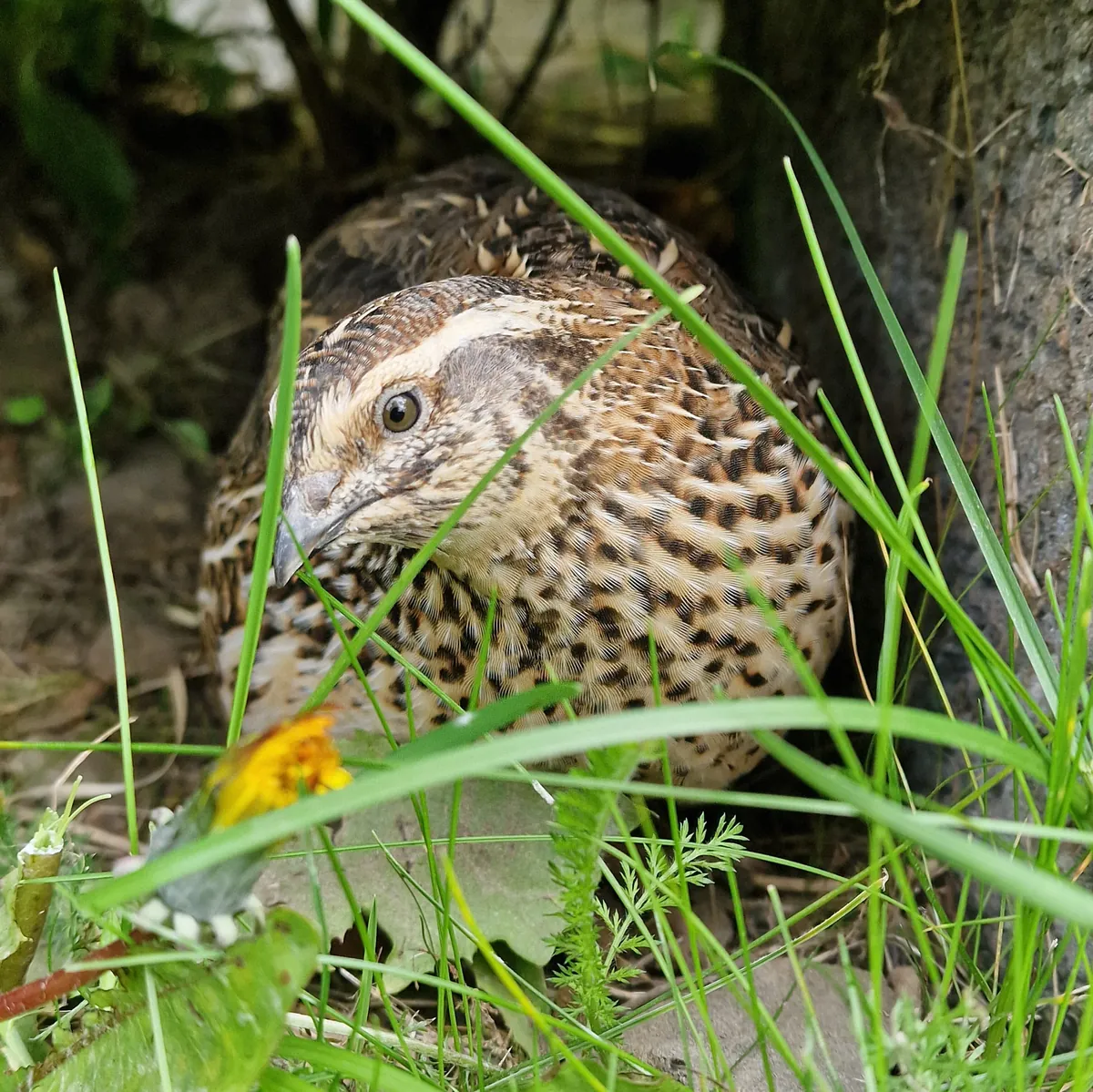
Temperature and environment
Unstable temperatures, cold, heatwaves, draughts or damp air can bring egg laying to a halt.
Both research and experience show that egg production is most stable between about 18–24 °C. Quails can survive both colder and warmer conditions, but egg production is usually the first thing to be affected.
Quails need steady, comfortable surroundings in order to thrive and perform well. If you keep quails outdoors, make sure they have the option of going inside and sheltering from wind and weather.
Read the article Comfort temperatures and climate adaptation.
They do not always know what is best for them, and you may have noticed that they do not always use the chance to go in or seek shelter.
I choose to physically move mine indoors when the weather is poor for longer periods, and I keep them indoors throughout the winter months.
I do not do this mainly for egg laying, but because I want to avoid exposing them to too much wind, cold and moisture over time.
Stress and unrest
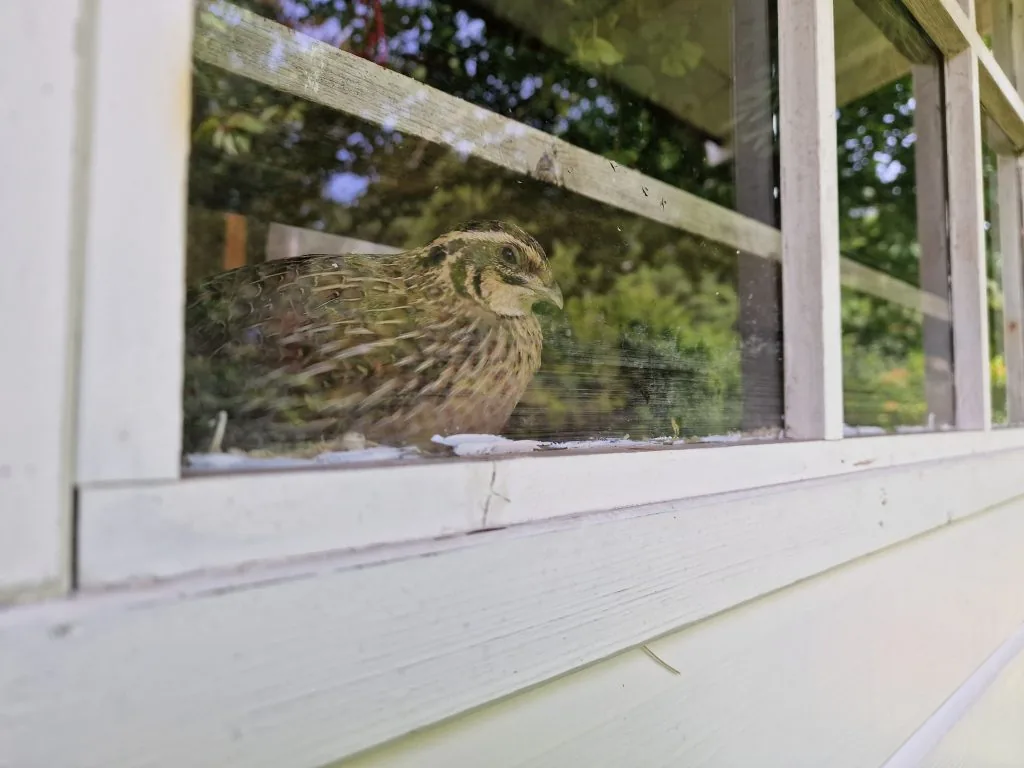
Quails do not lay eggs if they experience stress and unrest. Moving, predators prowling nearby, noise, too much handling or a cramped, overcrowded cage can make them stop laying.
I spend a lot of time with my quails from the very beginning, so they are used to people and tolerate being handled and moved quite well.
Because of that, moving them or rearranging the quail house does not seem to affect their egg laying. It almost seems as if they find visits and new surroundings exciting.
But if you buy young or adult quails that may not be used to handling, be aware that they can become more easily stressed and frightened when things change.
Natural pauses
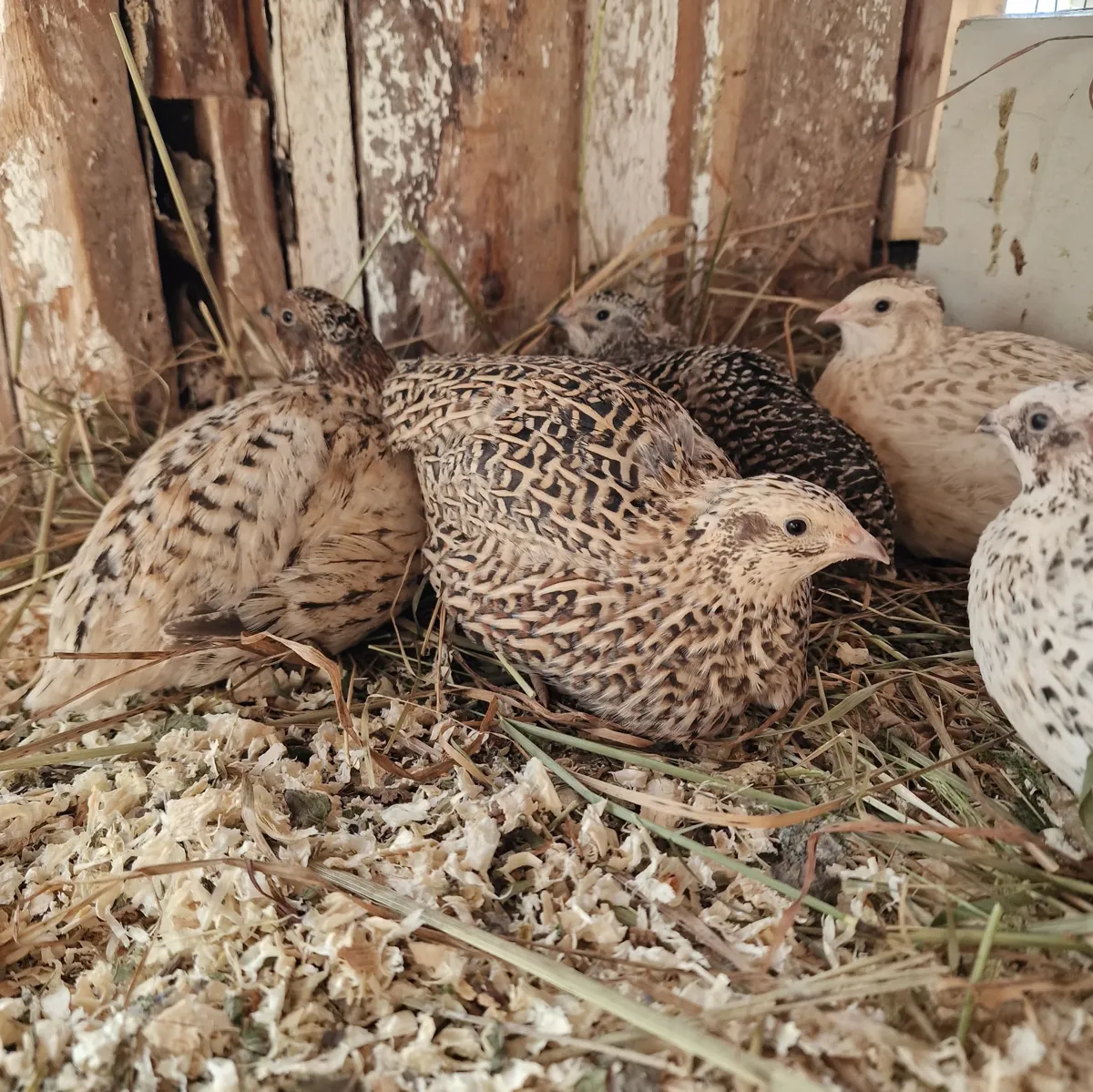
Quails may pause egg laying for natural reasons, especially when they moult or when the seasons change. These are completely expected, natural pauses.
Read the article When quails lose feathers: what is molting and what can you do?.
They benefit from having breaks from laying.
If we keep egg production going every day, all year round with artificial lighting, we put a heavy strain on the quails and they simply live shorter lives.
I do not know whether it is right to say they become “used up”, but it can feel that way. I once had a hen that laid an egg every day, all year, winter and spring, despite the dark season and moulting. She was only one year old.
In large production settings, high egg production is naturally prioritised, and the aim is to keep them laying steadily all year.
In hobby keeping, we usually want to care for our quails for as long as possible, and that means allowing them to have some breaks from laying.
Age and natural decline
Even when everything is arranged well and conditions are optimal, quails will lay fewer eggs as they get older.
Japanese quail lay the most during their first year. After that, production gradually declines.
That does not mean they are “finished” or no longer have value. They can live well and for a long time even if they do not lay eggs as often. I choose to let my older hens stay, even when there are fewer eggs, as long as they are otherwise in good condition.
I have seen my oldest, four-year-old Japanese quail hen lay perfectly good eggs. I have not observed her separately over time, so I do not know exactly how often she lays now.
In other species that lay in clutches, you often see the clutches becoming smaller over time.
Are you sure it is a hen?
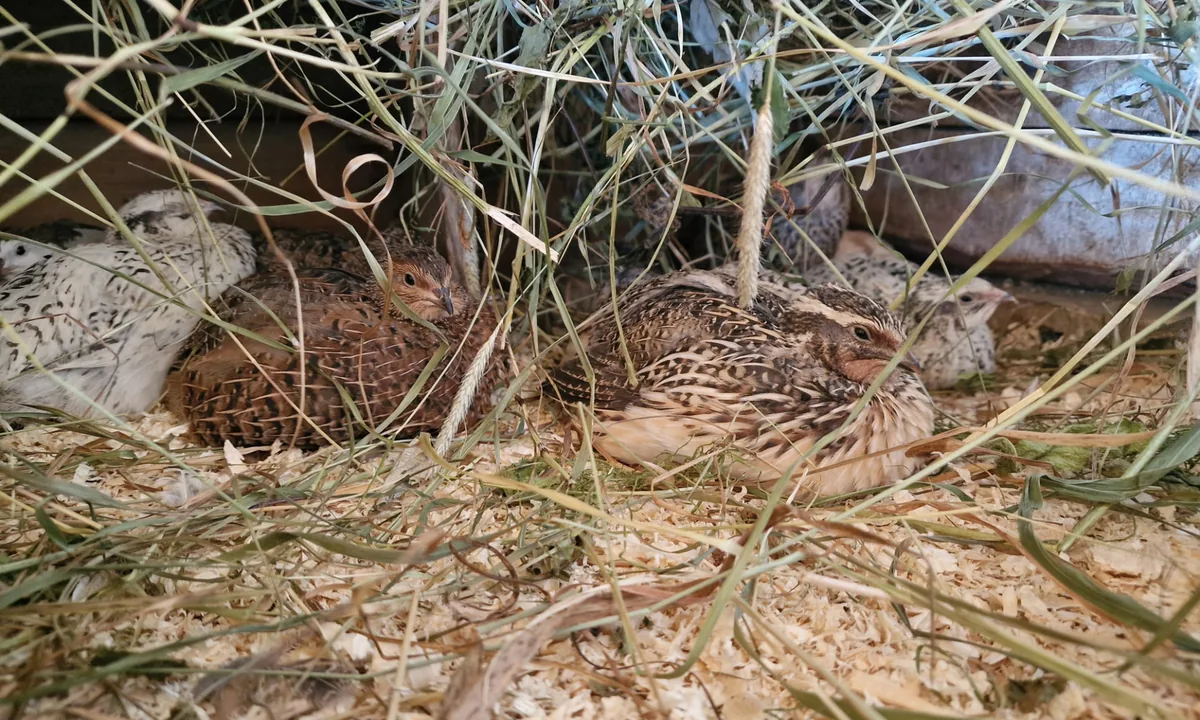
It is not always easy to tell hens and males apart. I have made mistakes myself, and I have seen others make the same mistake. I once bought what was supposed to be five hens, but one of them turned out to be a male.
We only discovered it when we got home. The male I already had appreciated the extra hens, but made it very clear that he did not like the fifth bird.
In some species, you can see the difference clearly in behaviour, and in some by appearance. In others it is more difficult.
It is worth checking, so you are not waiting for eggs from a male. That is simply not going to happen.
Summary
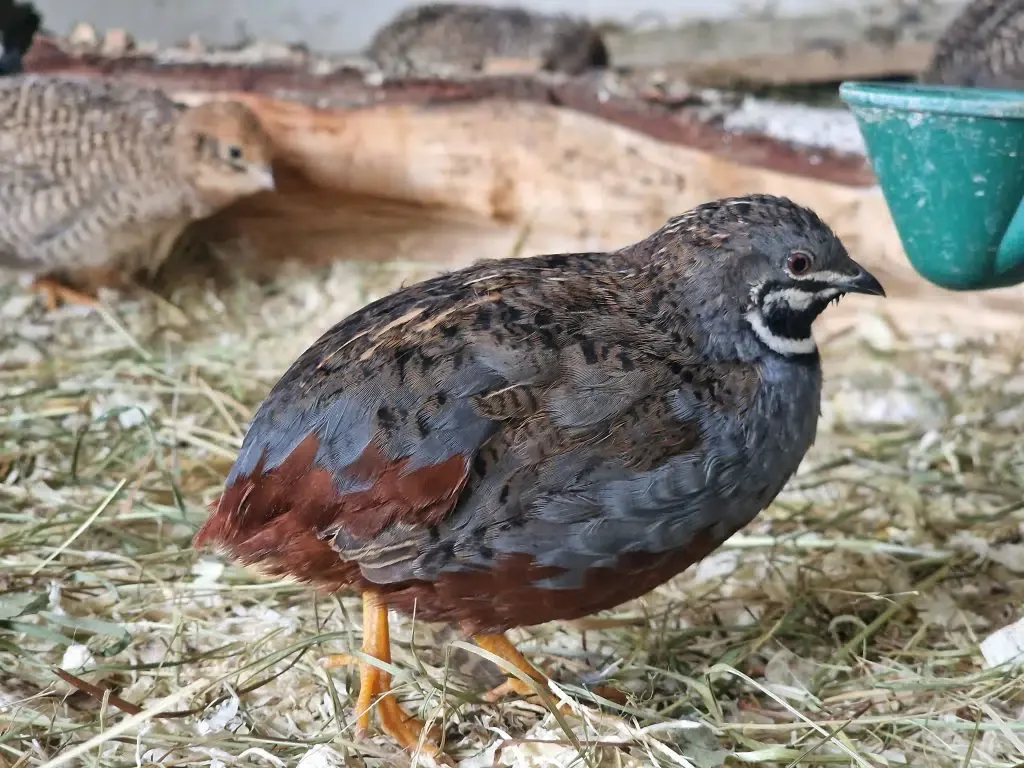
Quails do not lay eggs constantly all the time. Natural pauses are completely normal.
Different species lay eggs at different times, but they all need enough light, protein-rich feed, access to calcium, stable housing conditions and comfortable temperatures.
With small adjustments and a little patience, they usually start laying eggs again.
Good luck! 🥚