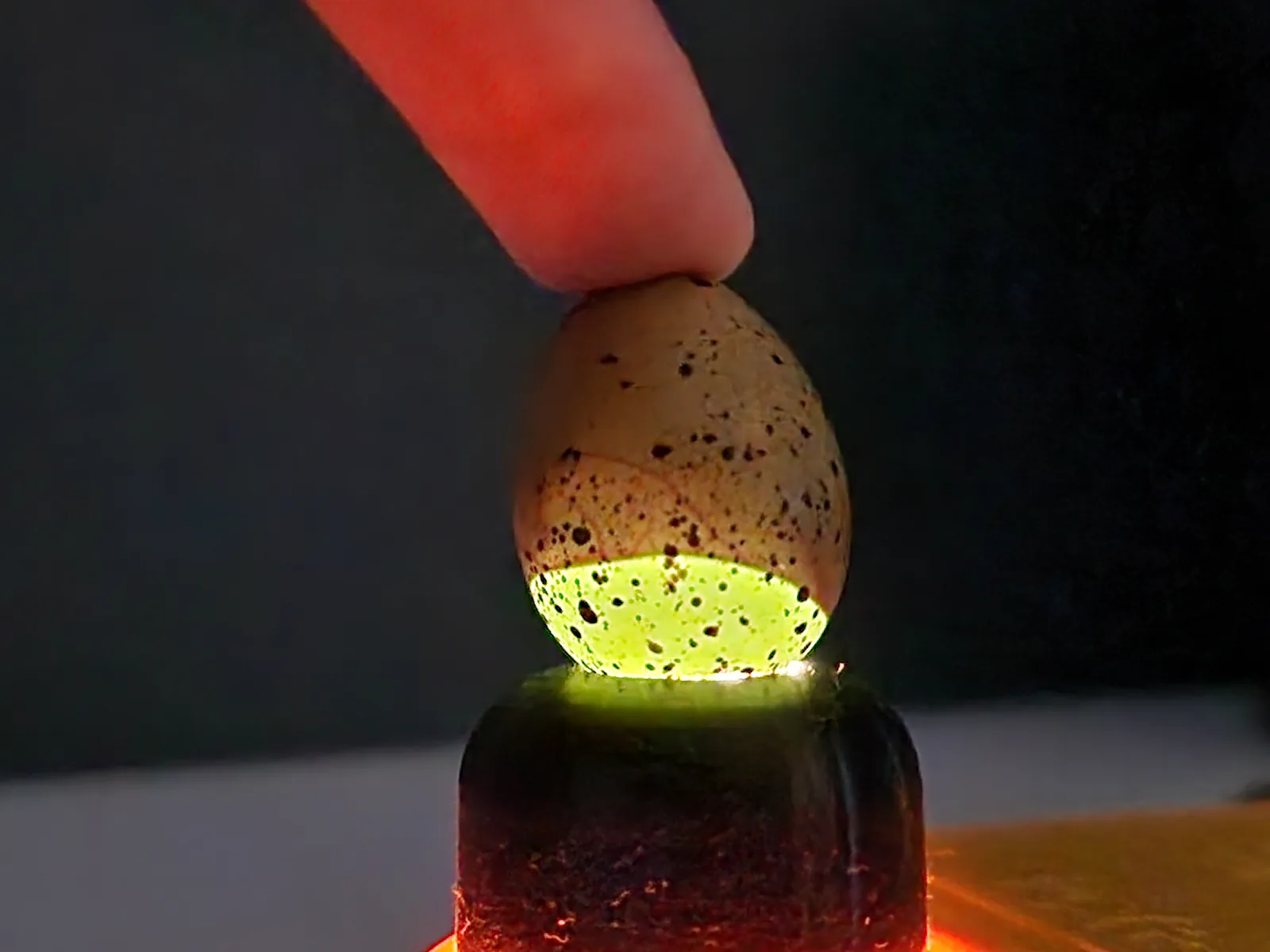


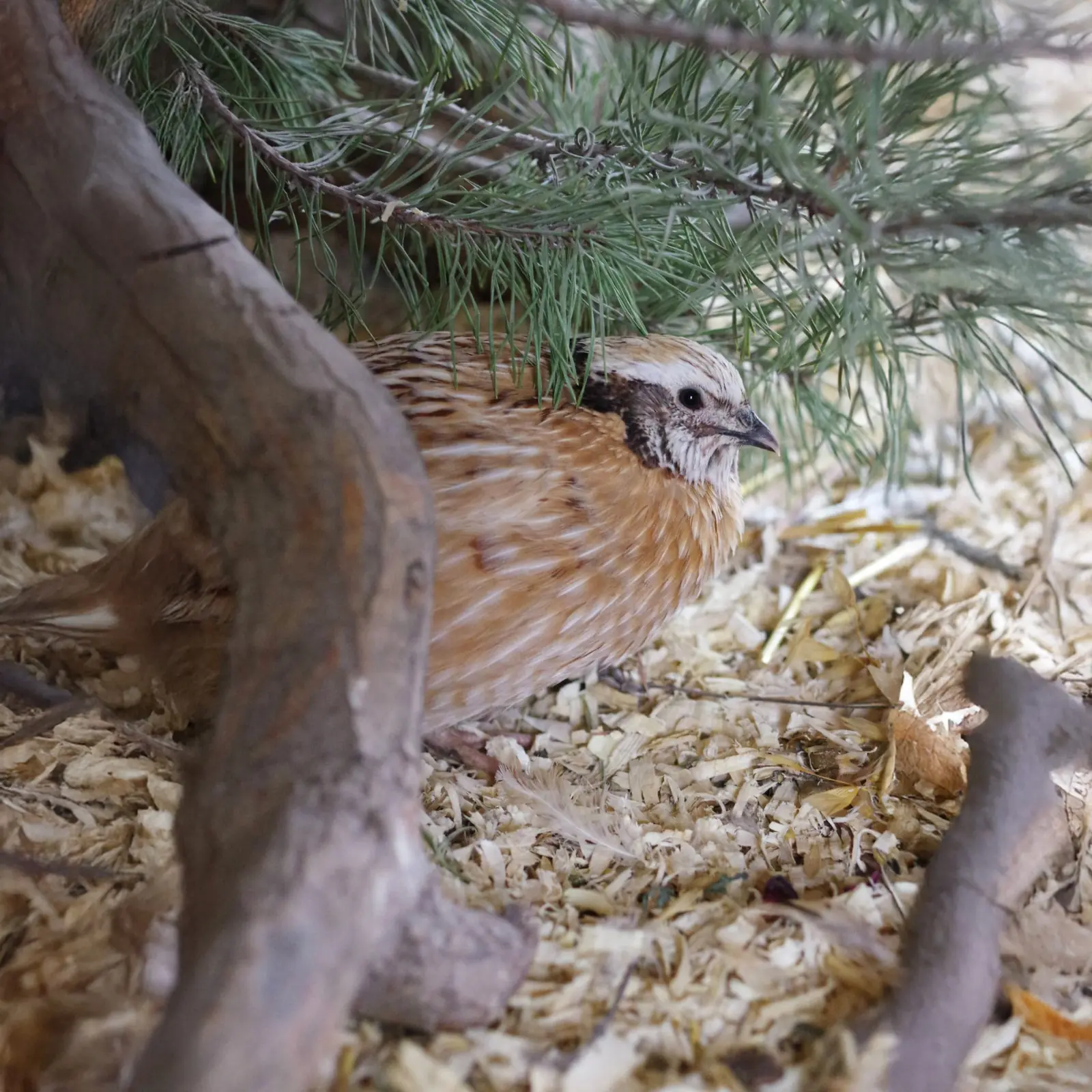
Furnishings: tips for good hiding places for quails
Here are some tips on how to make good hiding places for quails. They love…
Read more about Furnishings: tips for good hiding places for quails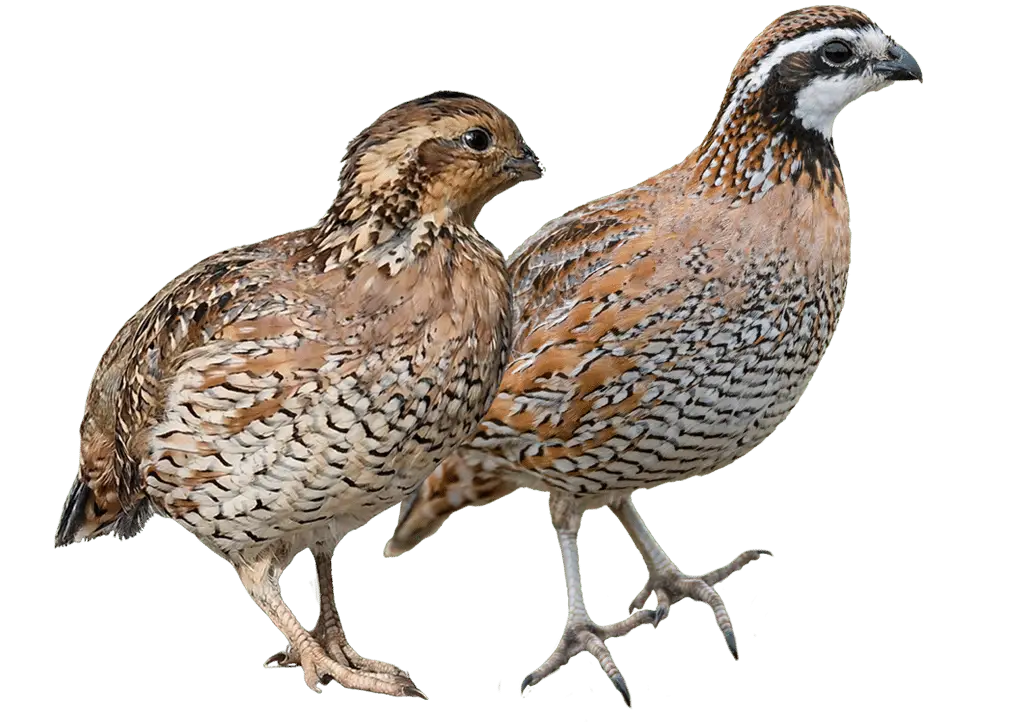
Colinus virginianus
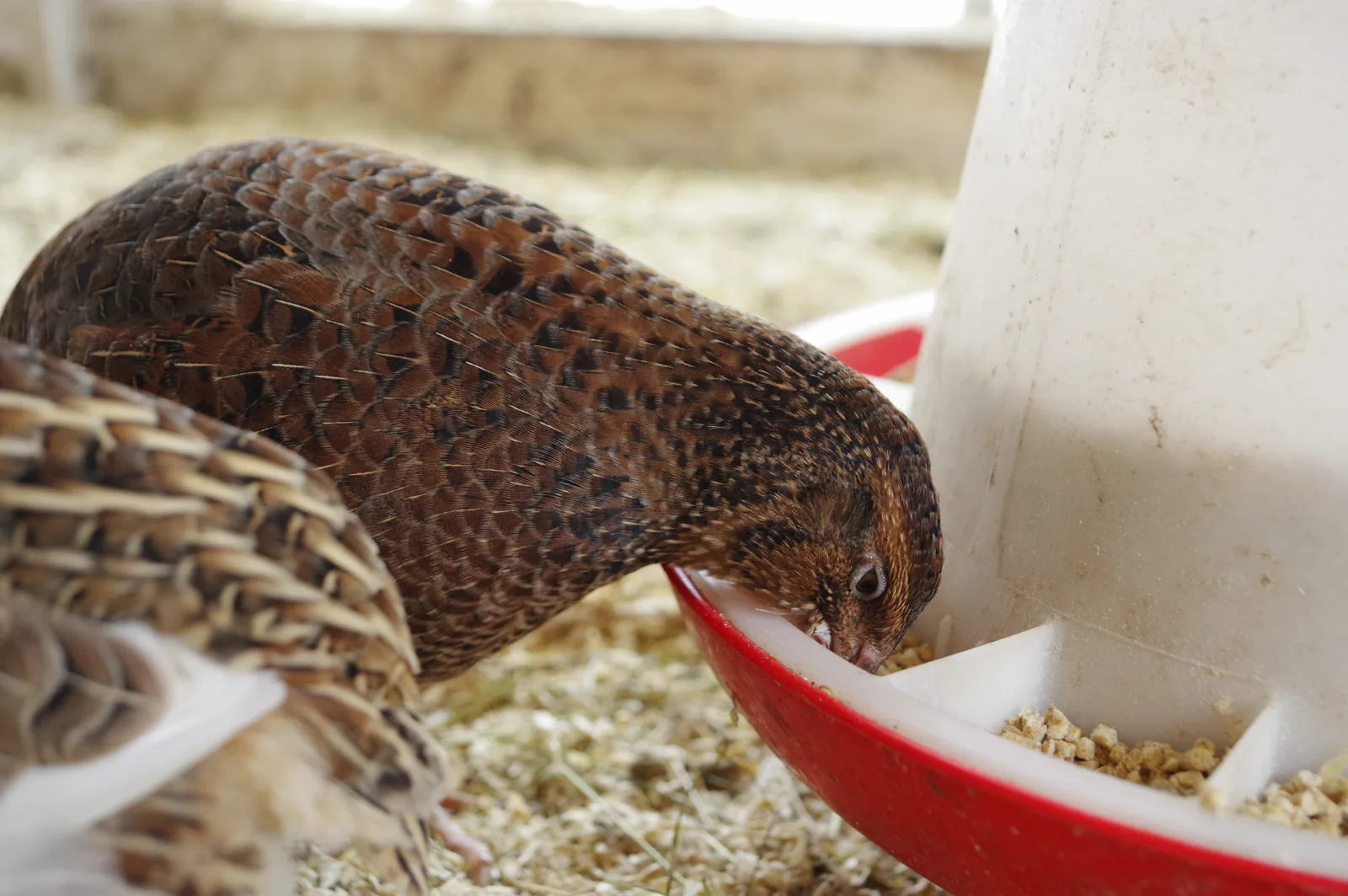
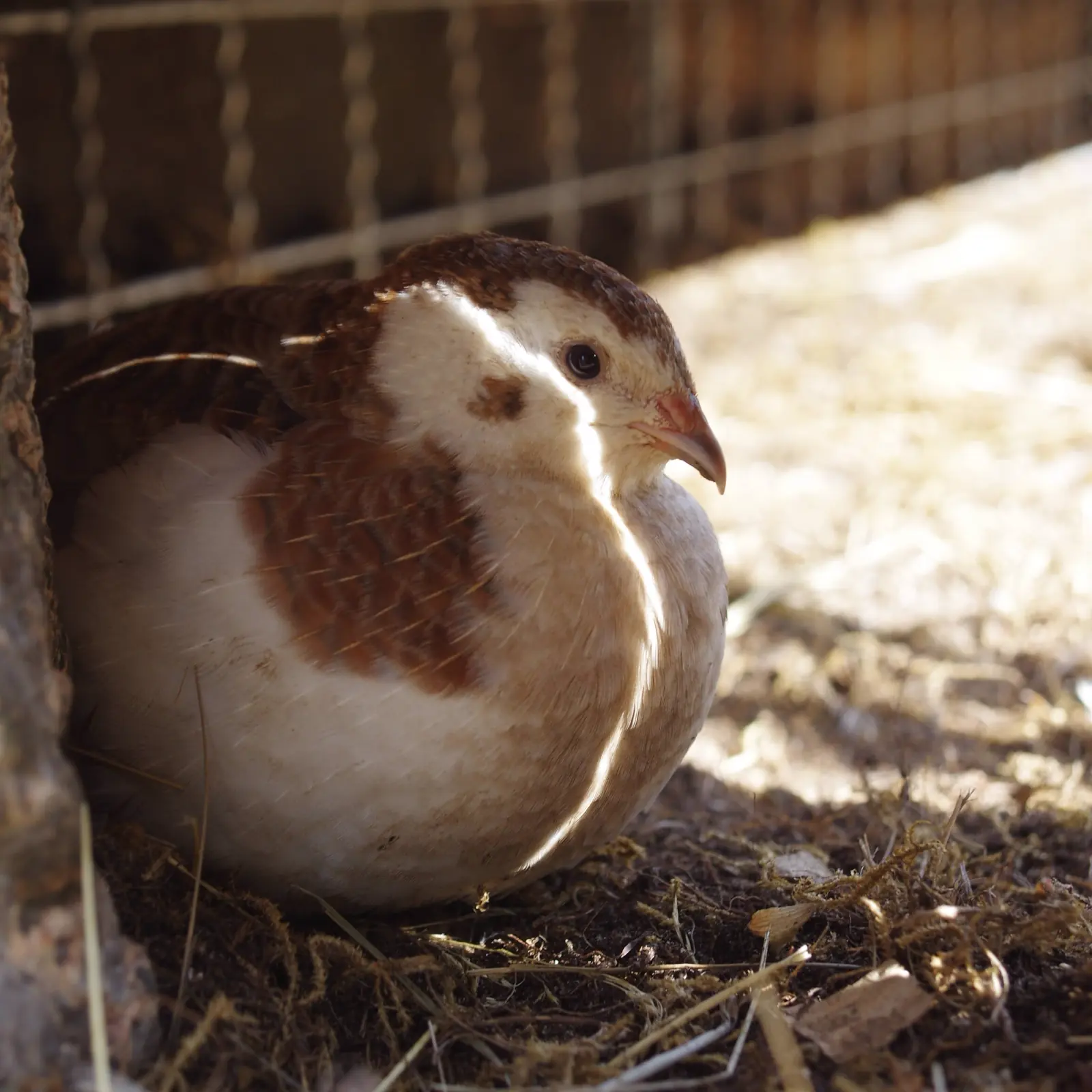
Northern Bobwhite, also known as Bobwhite quail is a very charming quail with lots of personality and interesting sounds.
The Northern Bobwhite is known for its distinctive "bob-white" call, which has also given it its English name.
It is not very common in Norwegian hobby keeping, but it is much more widespread in North America, where it is found in the wild as well as kept by breeders.
The Northern bobwhite quail is somewhat wilder in behavior than the more common Japanese quail, and you may find them harder to tame.
I spend a lot of time with mine, making sure they associate me with something positive (treats). They usually come over to greet me and eat from my hand.
Northern bobwhite quail can be territorial, especially the males, so it's important to provide enough space and hiding places.
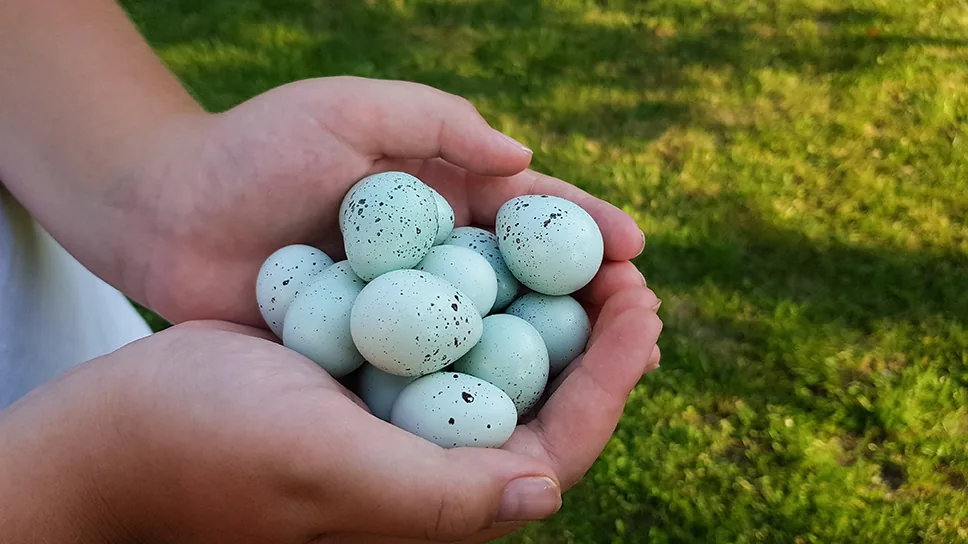
They are good layers and produce large clutches of about 12–15 eggs per clutch.
During the breeding season, they form pairs, and the female takes the main responsibility for incubation. The male may guard and, in some cases, help with the chicks.
*Lifespan is influenced by many factors such as genetics, environment, feed and care. Consider this a guideline, not a definitive answer.
Northern bobwhites can be caring parents and hatch their own chicks.
If a hen starts gathering eggs and settles down to brood, it is important to give her peace and quiet.
Here are some tips on how to make good hiding places for quails. They love…
Read more about Furnishings: tips for good hiding places for quailsHatching quail eggs is an exciting experience for all ages. Take a look at the article Incubating quail eggs: step by step, where I write in more detail about the whole incubation process.
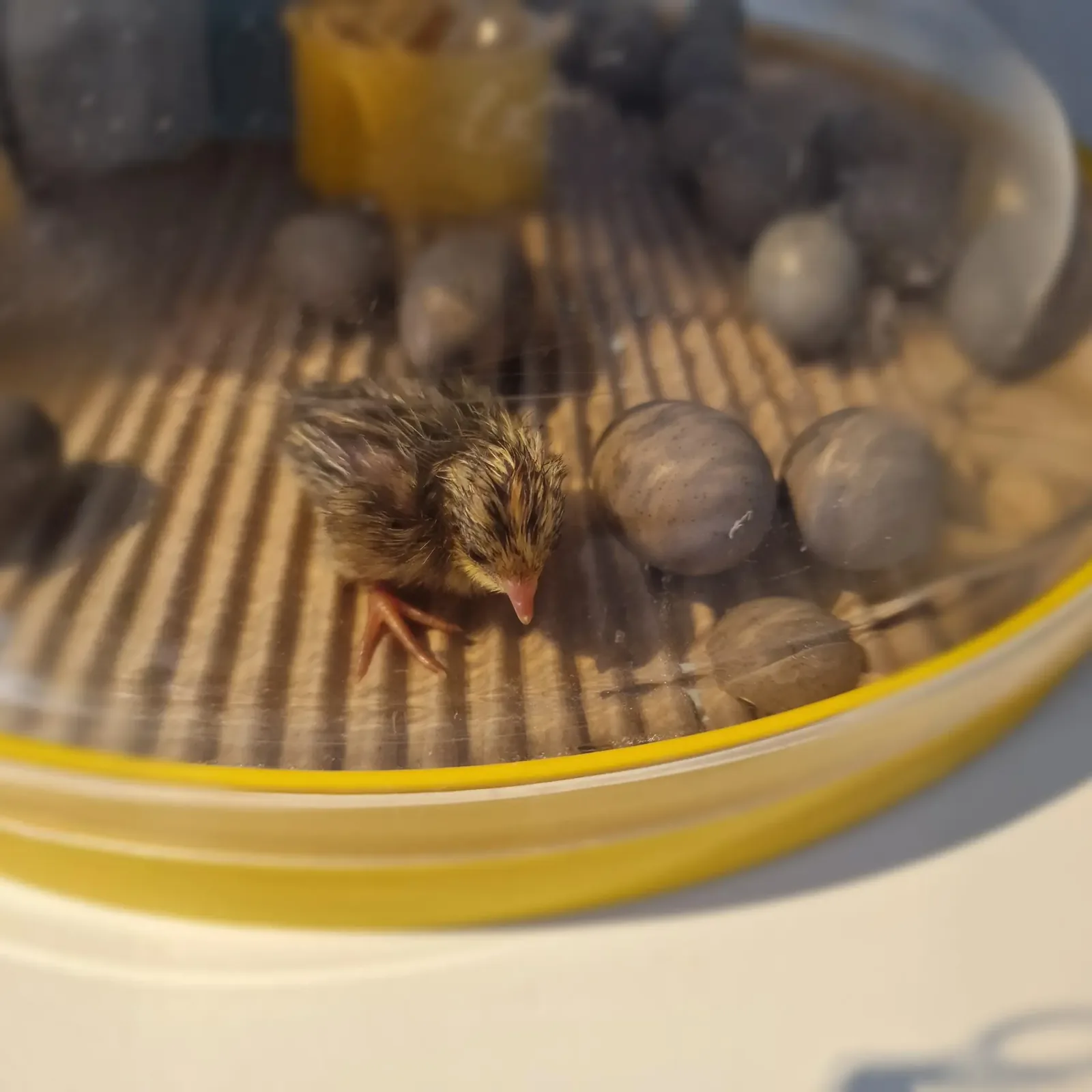
Incubating quail eggs is not that complicated, but we need to pay attention to the…
Read more about Incubating quail eggs: step by stepNorthern bobwhites usually reach sexual maturity at around 16 weeks, but do not start laying eggs until week 21–22.
Fertility is usually at its peak when they are around 6 months old.
For optimal egg production, fertilisation and hatch rate in northern bobwhites, a ratio of 1:1 is recommended.
You can consider ratios of 1:2 or 1:3.
Lifespan is affected by many factors, such as genetics, feed and water quality, lighting regime, production level, space, housing and stress, climate and hygiene.
Northern bobwhites raised in good, safe surroundings can live for up to 5 years, or even longer.
In the wild, where they are more exposed, they live on average from 6 months to a year, which is very short.