
Getting started with quail: A practical guide for beginners
A practical beginner guide to keeping quail, covering species choice, housing, space, temperature, costs, rules…
Read more about Getting started with quail: A practical guide for beginners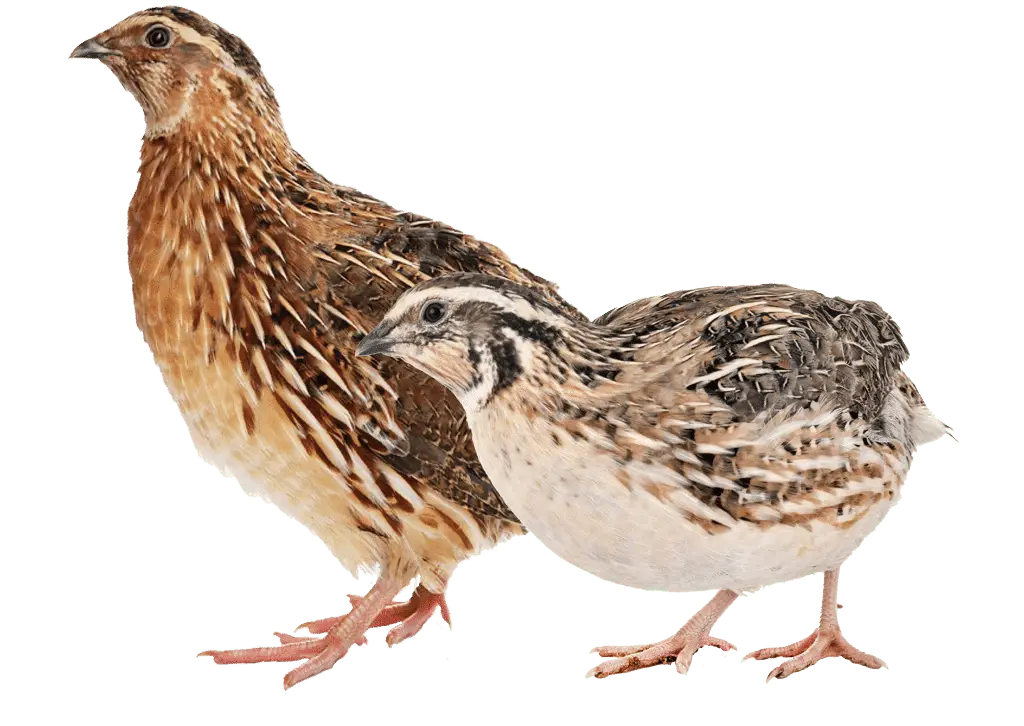
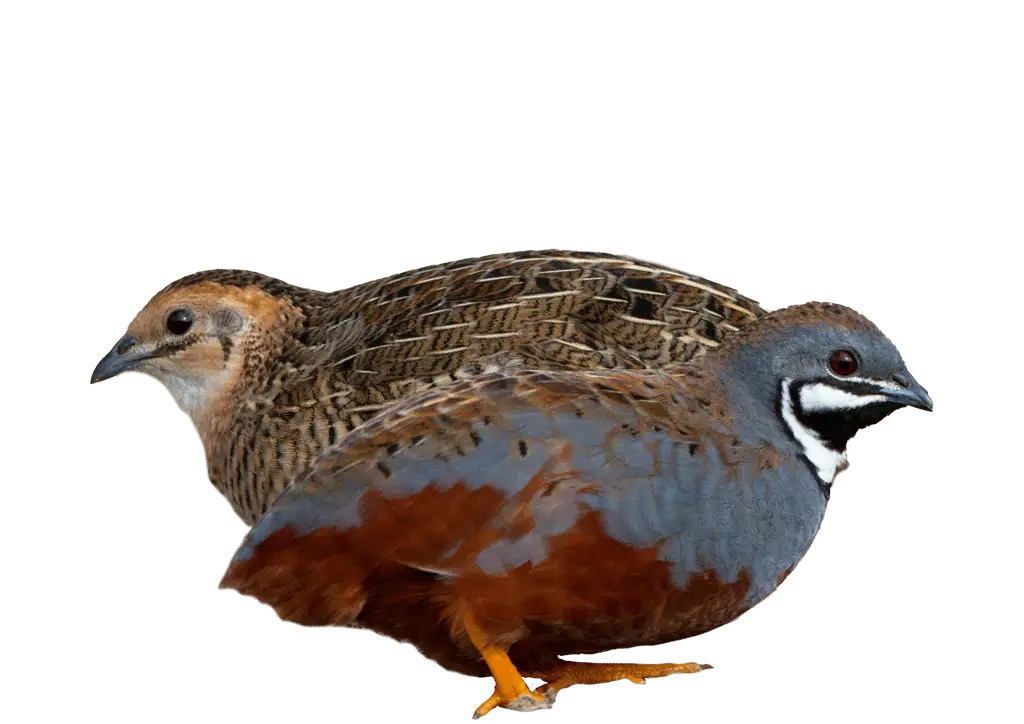
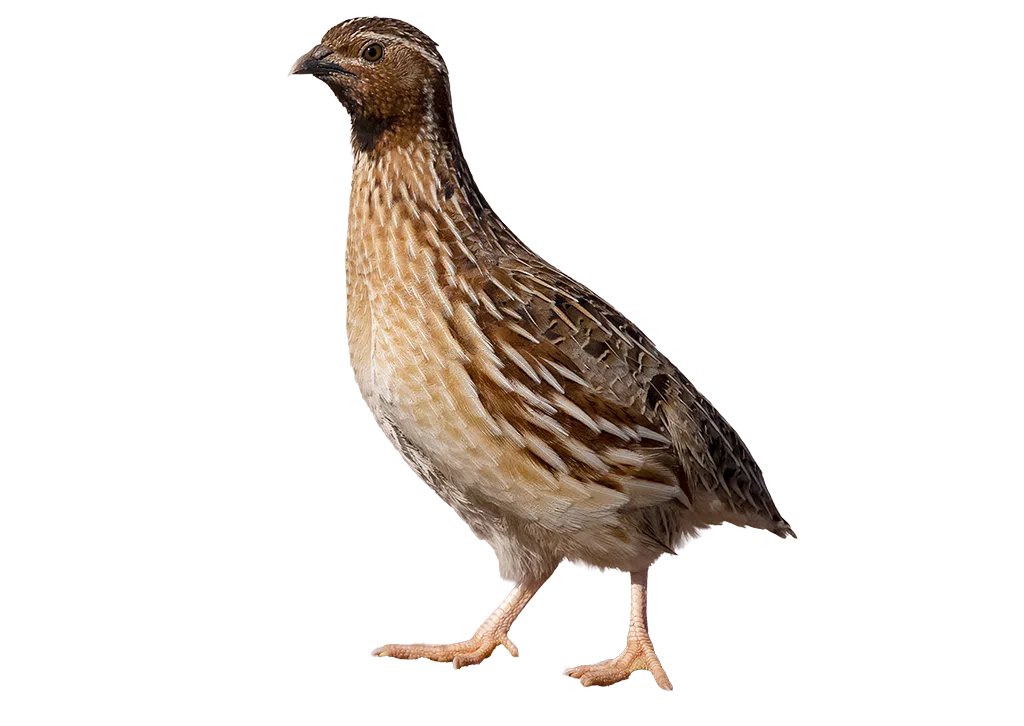
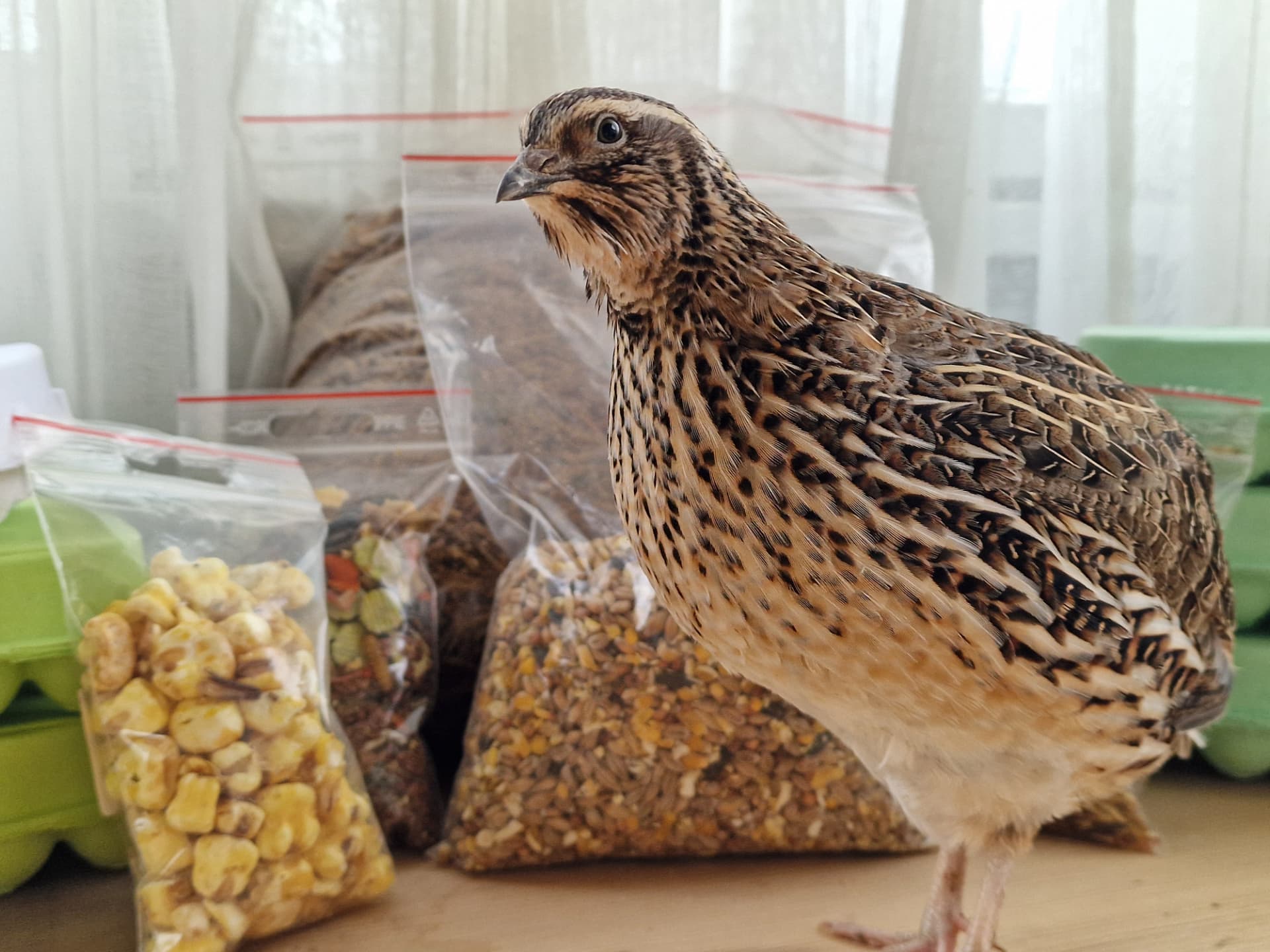
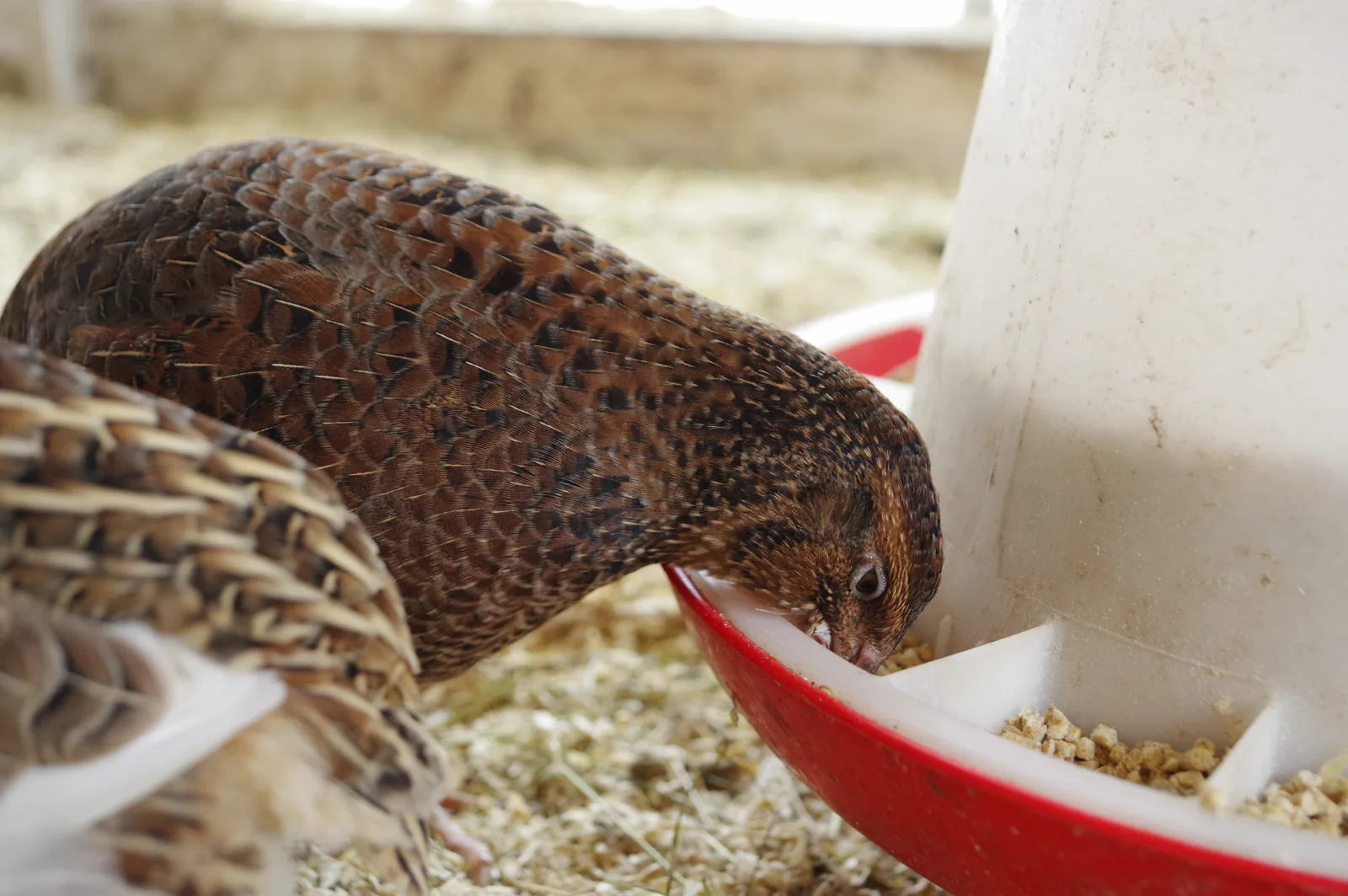
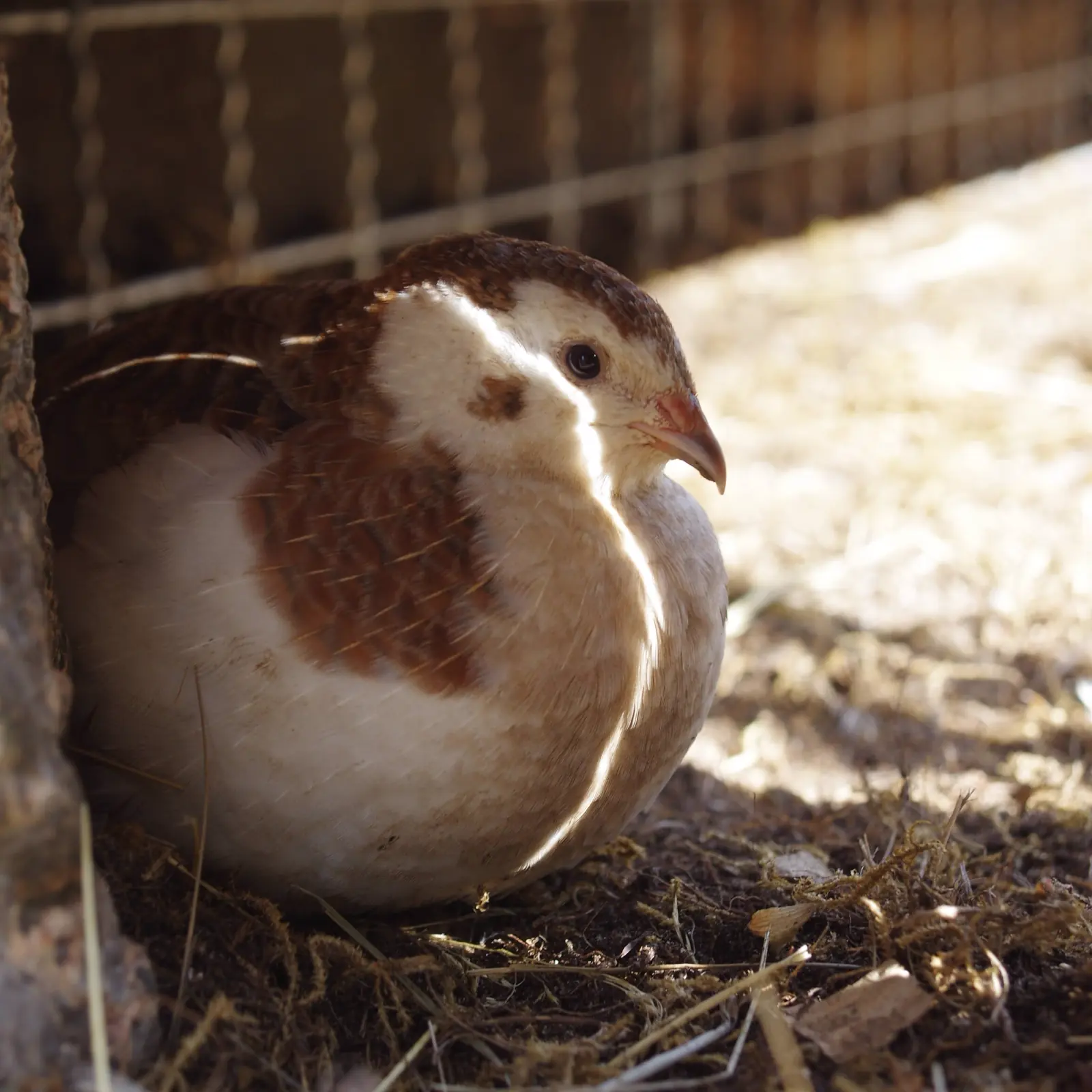
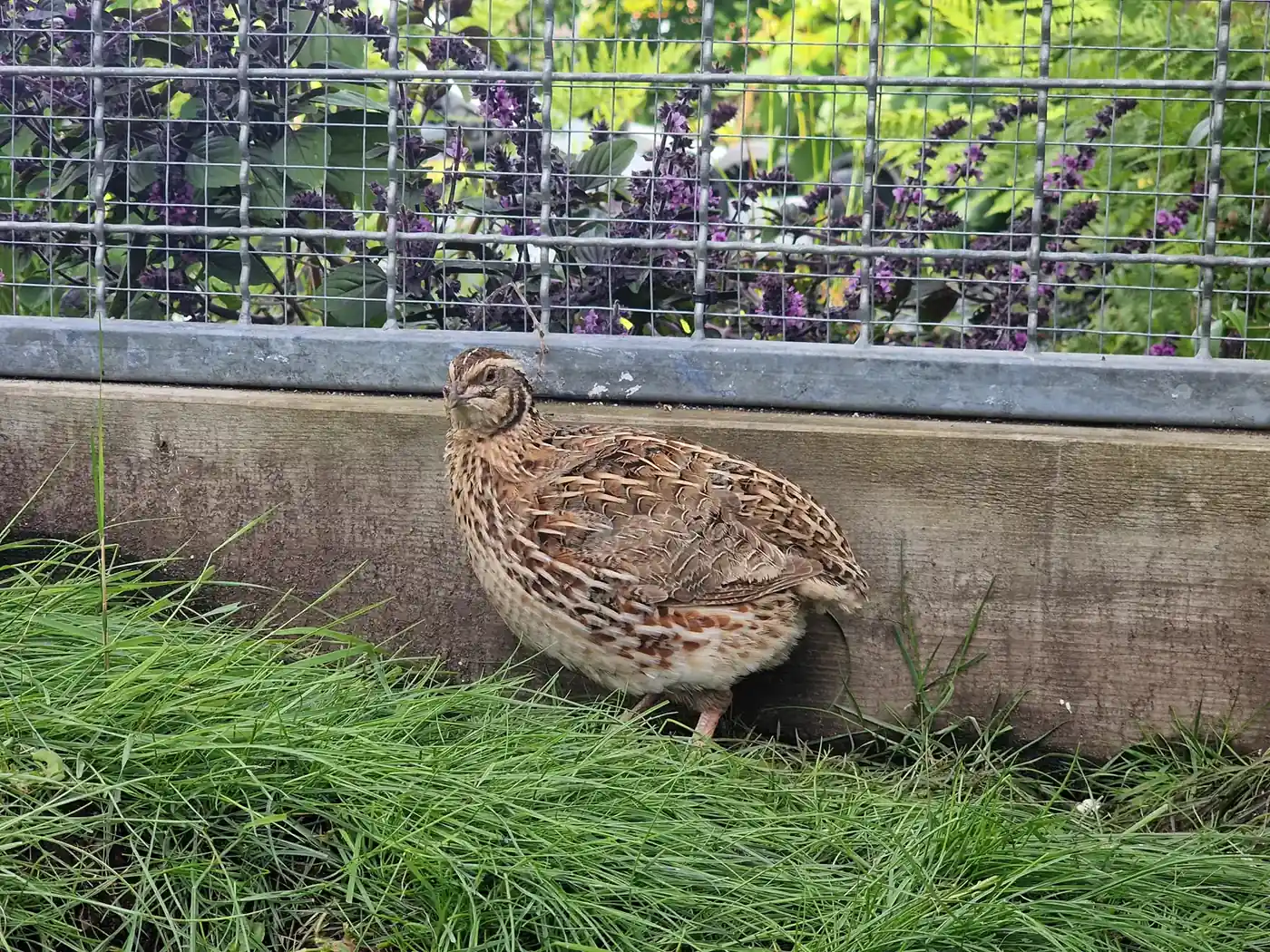
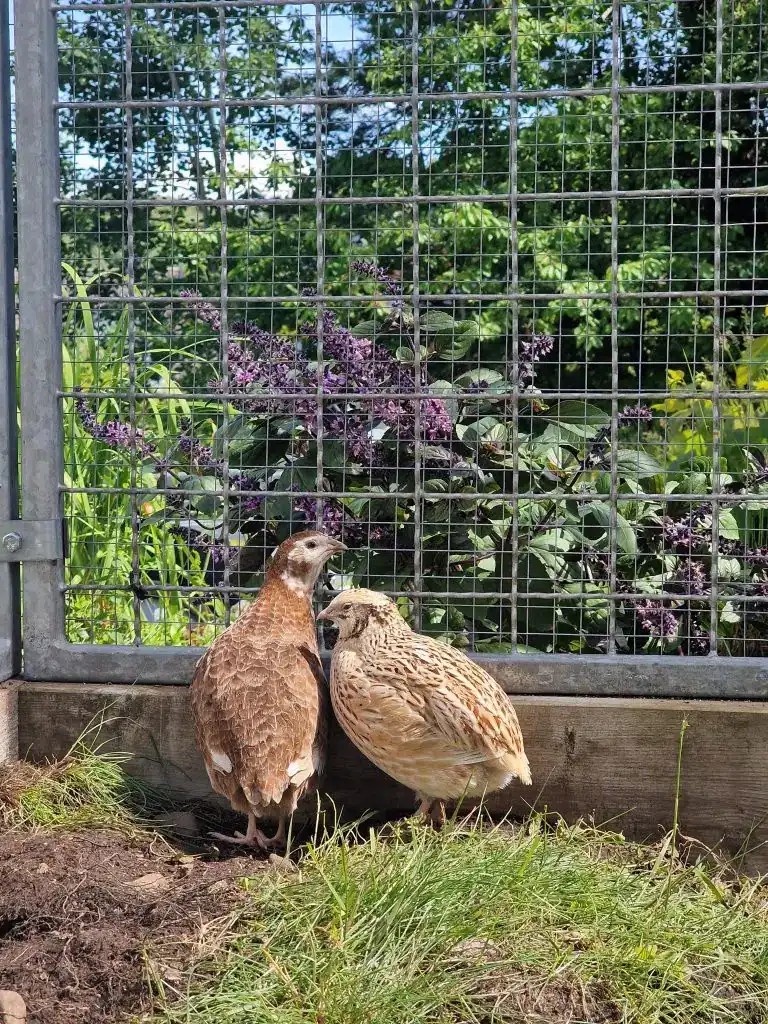
Coturnix japonica
Japanese quail is the most common domestic quail in Norway and should not be confused with Common quail, which is a wild quail species.
They are commonly referred to as Japanese quail, but the official Norwegian species name is Engvaktel (Meadow quail).
The Norwegian Naming Committee (BirdLife) told me that they basically name quails after their appearance, or their natural environment. Its official Norwegian name "Engvaktel" is a reference to the fact that they thrive and live naturally in grass and meadow landscapes.
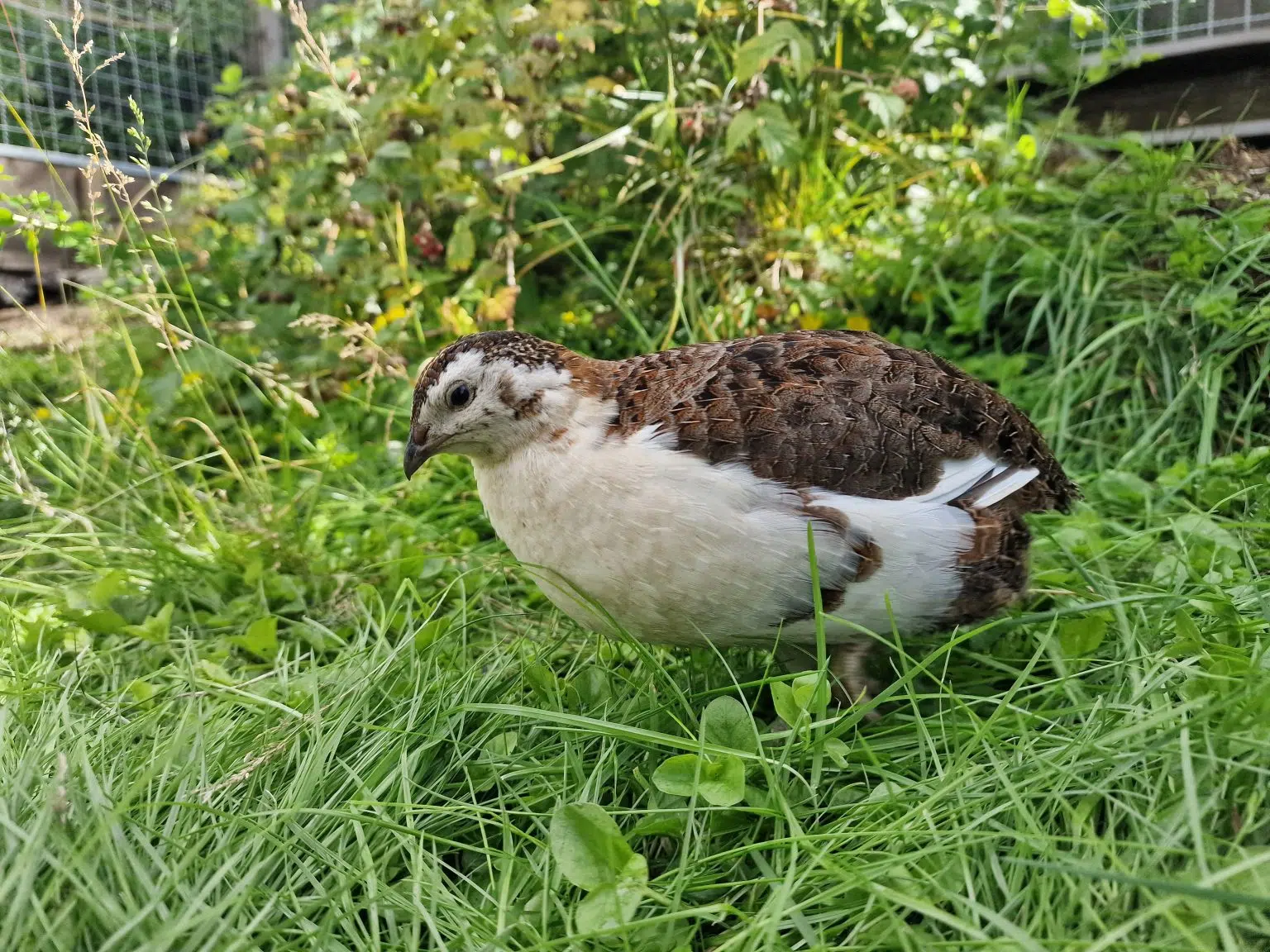
For the sake of simplicity, I have chosen to refer to it as Japanese quail on my website since it's the official English name.
Japanese quail have been bred for many generations because they are highly productive. They grow quickly and can lay up to 300 eggs a year.
In Norway, Japanese quail are mostly kept as a small-scale hobby, and there are a few larger operators. Japanese quail have a calmer temperament than several other quail species and are relatively easy to handle.
They are definitely recommended for those who are new to quail.
If you haven't had quails before, I can recommend the article Want to start with quail? Here's my best advice. There I take you through everything you need to know to get started with Japanese quail.
A practical beginner guide to keeping quail, covering species choice, housing, space, temperature, costs, rules…
Read more about Getting started with quail: A practical guide for beginners*Lifespan is influenced by many factors such as genetics, environment, feed and care. Consider this a guideline, not a definitive answer.
The domesticated Japanese quail rarely goes broody. If you set things up well for it, it is still possible.
You can do this by offering good hiding places, ideally with plenty of hay. The flock should not be too large, and the birds must be able to get peace and quiet. Disturbance from several cocks, or from too many other hens, can spoil that calm.
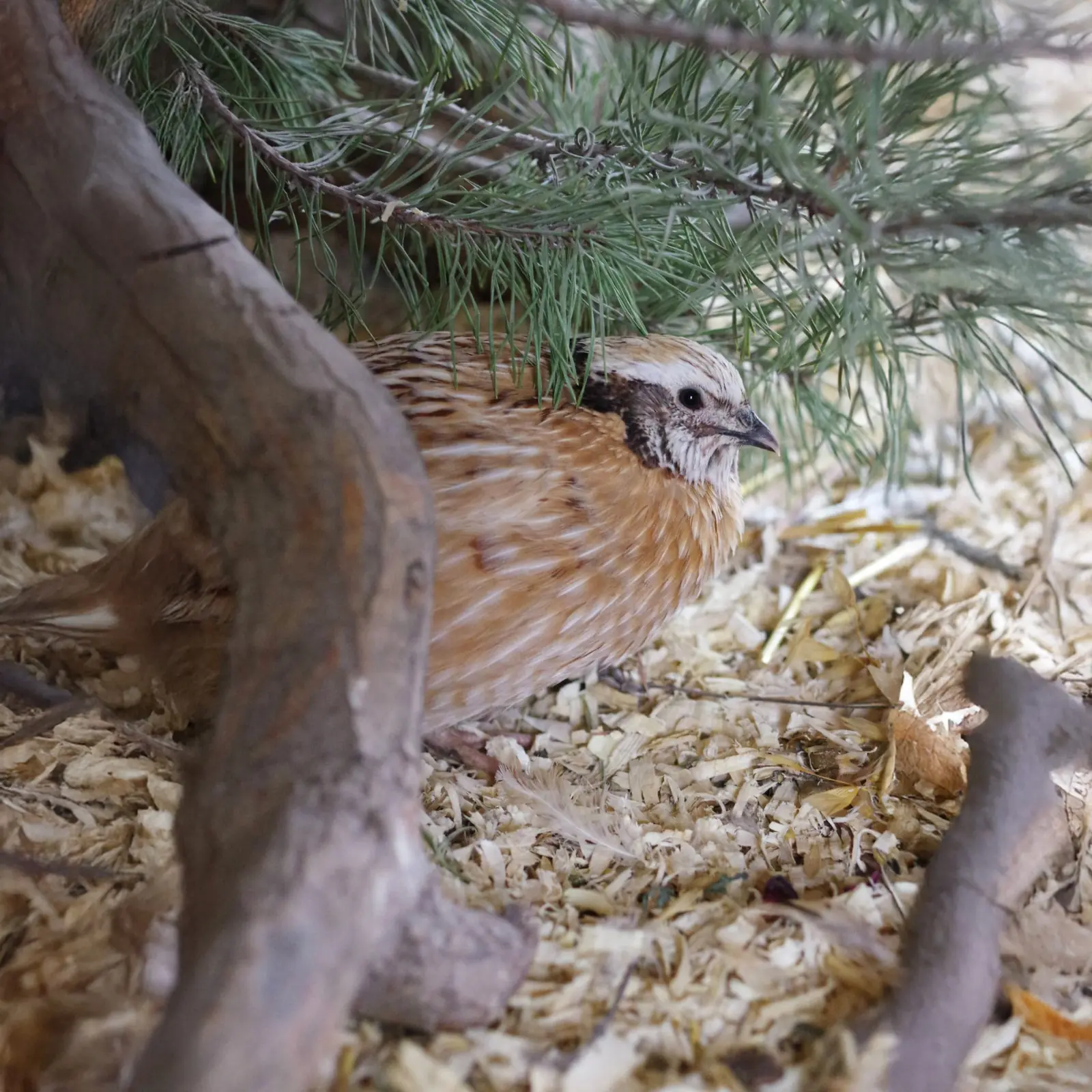
Here are some tips on how to make good hiding places for quails. They love…
Read more about Furnishings: tips for good hiding places for quailsHens that manage to hatch their own chicks are worth their weight in gold. Several studies show that a hen's mental health and temperament are heritable. That is why you will want to take extra good care of your caring hens.
Japanese quail cocks are not particularly involved in raising the chicks.
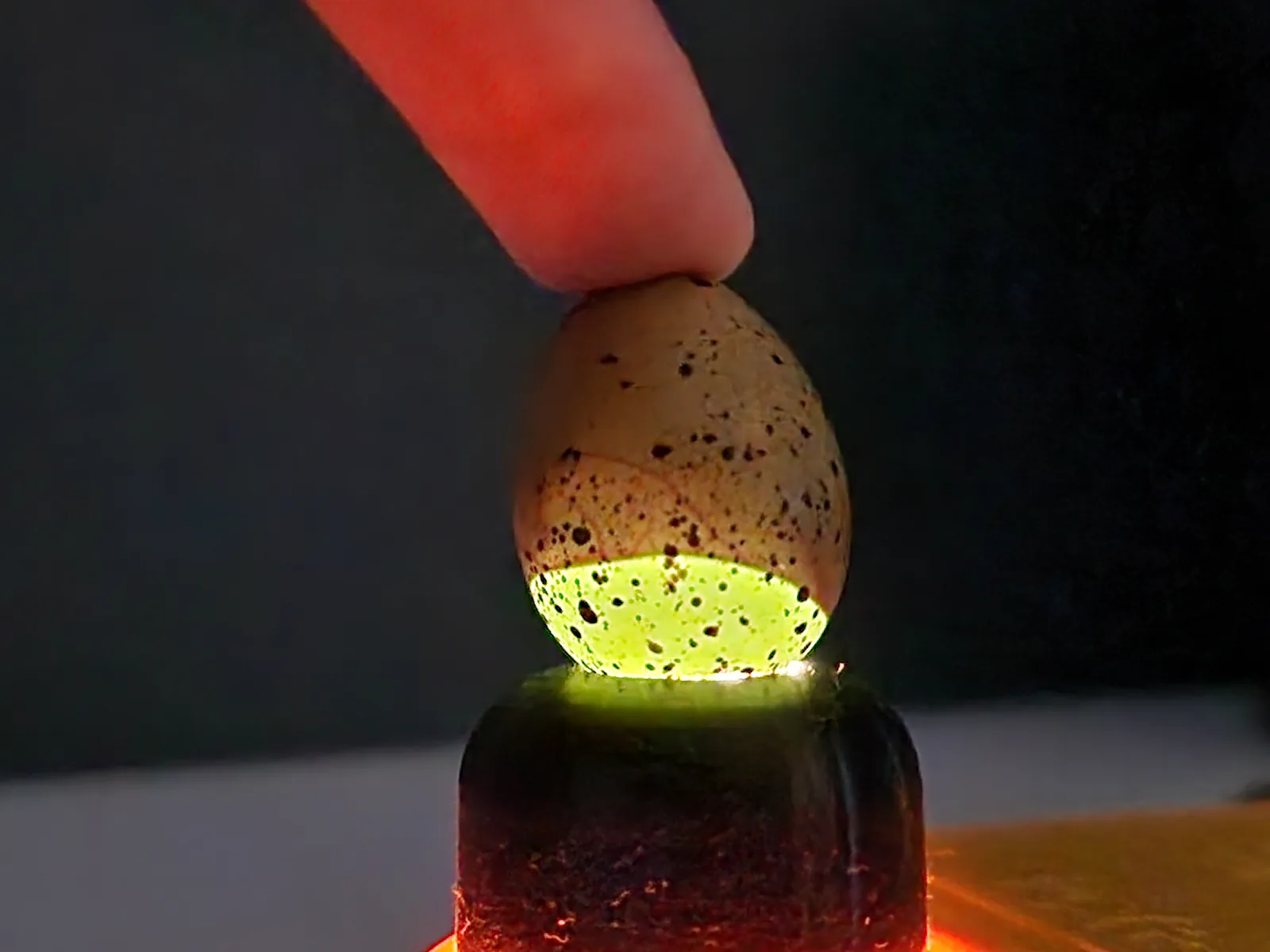
Hatching quail eggs is an exciting experience for all ages. Take a look at the article Incubating quail eggs: step by step, where I write in more detail about the whole incubation process.
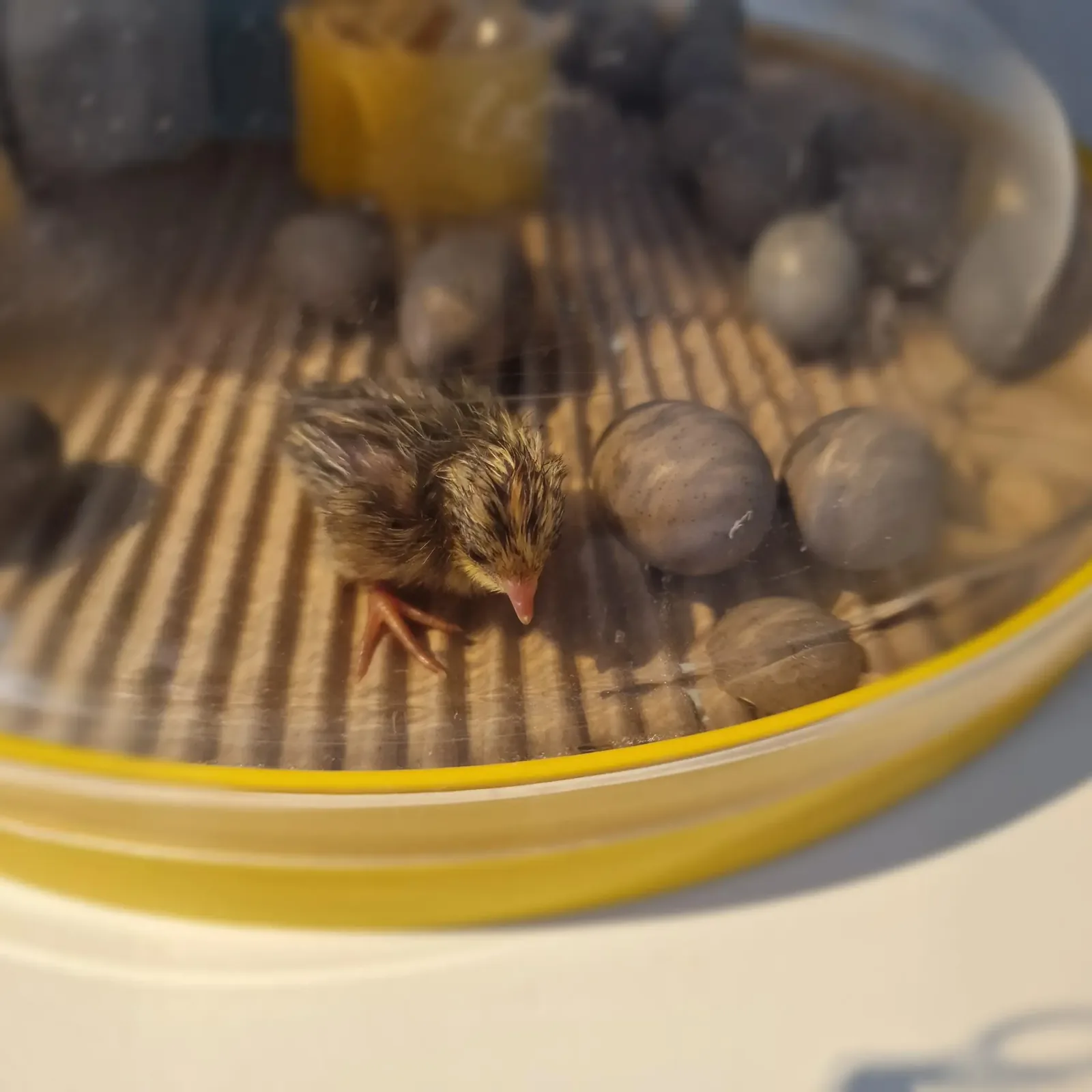
Incubating quail eggs is not that complicated, but we need to pay attention to the…
Read more about Incubating quail eggs: step by stepThey reach sexual maturity and start laying eggs at around 6–8 weeks of age.
This is also when you will start to see which birds are hens and which are cocks. The cocks often begin to crow and become more territorial and aggressive towards each other.
Studies show that their peak fertility age is from about 8 weeks up to 6 months.
A ratio of 1:5 between cocks and hens is recommended for Japanese quail.
If you only want eggs for your own use and are not particularly interested in hatching and breeding, it is perfectly possible to keep only hens.
They manage perfectly well without a cock. They will lay eggs either way.
Lifespan is affected by many factors, such as genetics, feed and water quality, lighting regime, production level, space, housing and stress, climate and hygiene.
In hobby keeping they usually live 2–3 years.
With good care, some can reach 4–5 years. There are examples of them living even longer, but it is rarer.