

Have you ever experienced your quails lose feathers and wondered what's going on?
In most cases, they are molting, the natural process when the feathers are being replaced. Quails may molt in both autumn and spring, unlike chickens, which only molt in autumn.
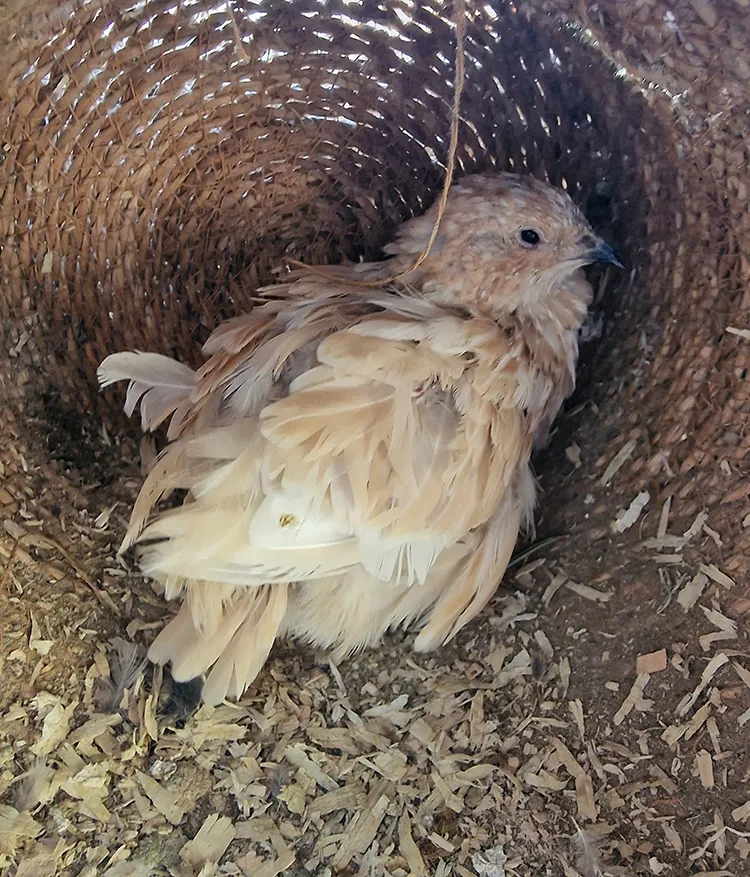
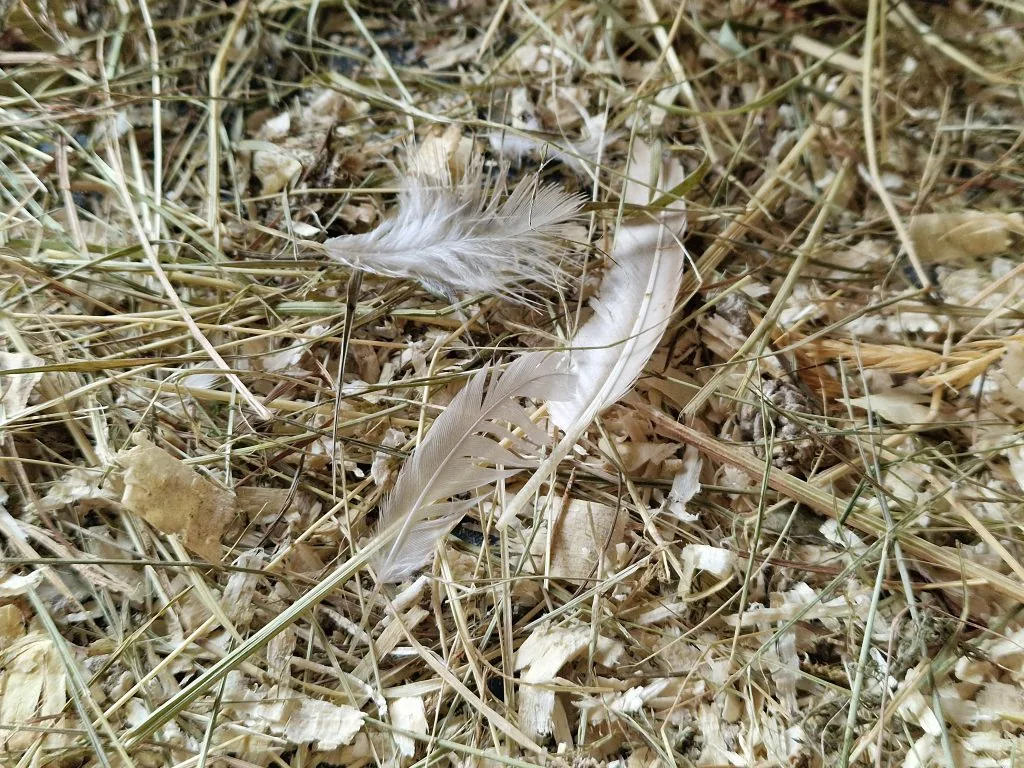
It can look dramatic when the feathers are strewn about, and the quails are extra scruffy and stressed.
Quails use a lot of energy to form new feathers, and this is a period when they need peace and quiet and a little extra care.
What is molting?
Molting means the quails shed their old feathers and grow new ones. Feathers wear out over time and need to be renewed so they can insulate well and protect against weather and wind.
When does the molting happen?
The most common period is in late summer or autumn, but some quails may also molt in spring.
The timing varies slightly, but it usually starts in early September, and around April - May in the spring.
This often happens in connection with the change of season, when light and temperature change.
How long does the molting last?
Molting can last for several weeks. The length is slightly affected by age and nutritional intake, but it lasts around 4 - 6 weeks.
Feathers are replaced gradually. The quails grow new feathers while losing the old ones, so they are usually not completely bald during molting.
You can give supplements in the form of extra vitamins. I have several in the shop that are suitable during molting, but Mauser-Fit is the one specially developed to support quails during molting. Vitamin-Fit is also a good multivitamin that can be used during molting.
Do quails change their appearance after molting?
No, they do not change their appearance significantly. When the quails have finished molting, their plumage often looks fresher and clearer.
Worn feathers are replaced with new ones, and the colours may appear brighter, but they don't take on a completely new colour or pattern.
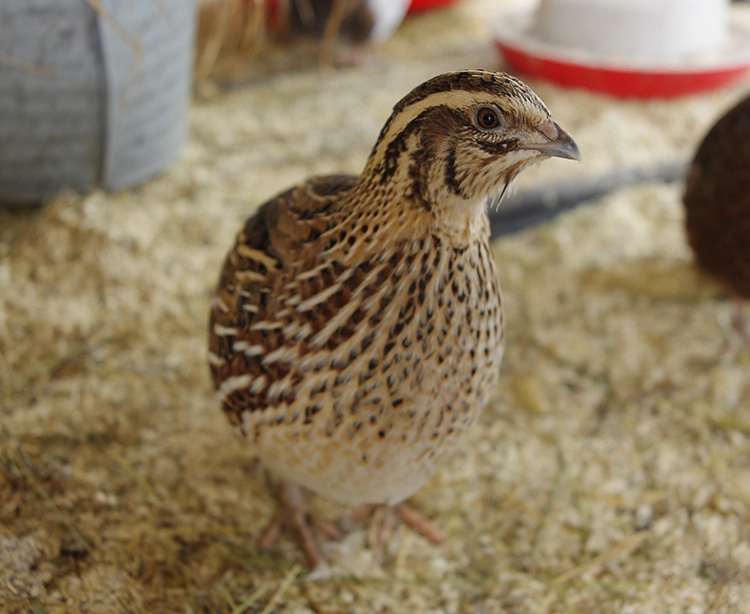
A Japanese wild-coloured quail remains wild-coloured, and a white quail remains white.
Their pattern may look sharper after molting, but this is a reinforcement of the same pattern, not a change.
In other words, molting in quails is about renewing and maintaining the plumage, not switching to a completely new plumage, as happens with grouse, for example.
How do you distinguish between molting and disease?
When quails molt, they shed feathers evenly across their bodies and new feather sprouts quickly appear.
In the case of disease or parasites, feather loss is often more patchy and new feathers may not grow at the same time.
If in doubt, keep an eye on appetite, activity levels and whether the quail seem healthy.
I've noticed that the quails behave very differently during the molting. The tamest quails can get really shy and stressed. From meeting me at the door as they normally do, to darting away and hiding.
Fortunately, this will pass.
What should you do when quails are molting?
The most important thing is to give them some peace and quiet. Avoid unnecessary handling. It can be painful for quails to be held and lifted as they grow new feathers.
I also try to avoid major changes such as moving or changing the flock when they are molting.
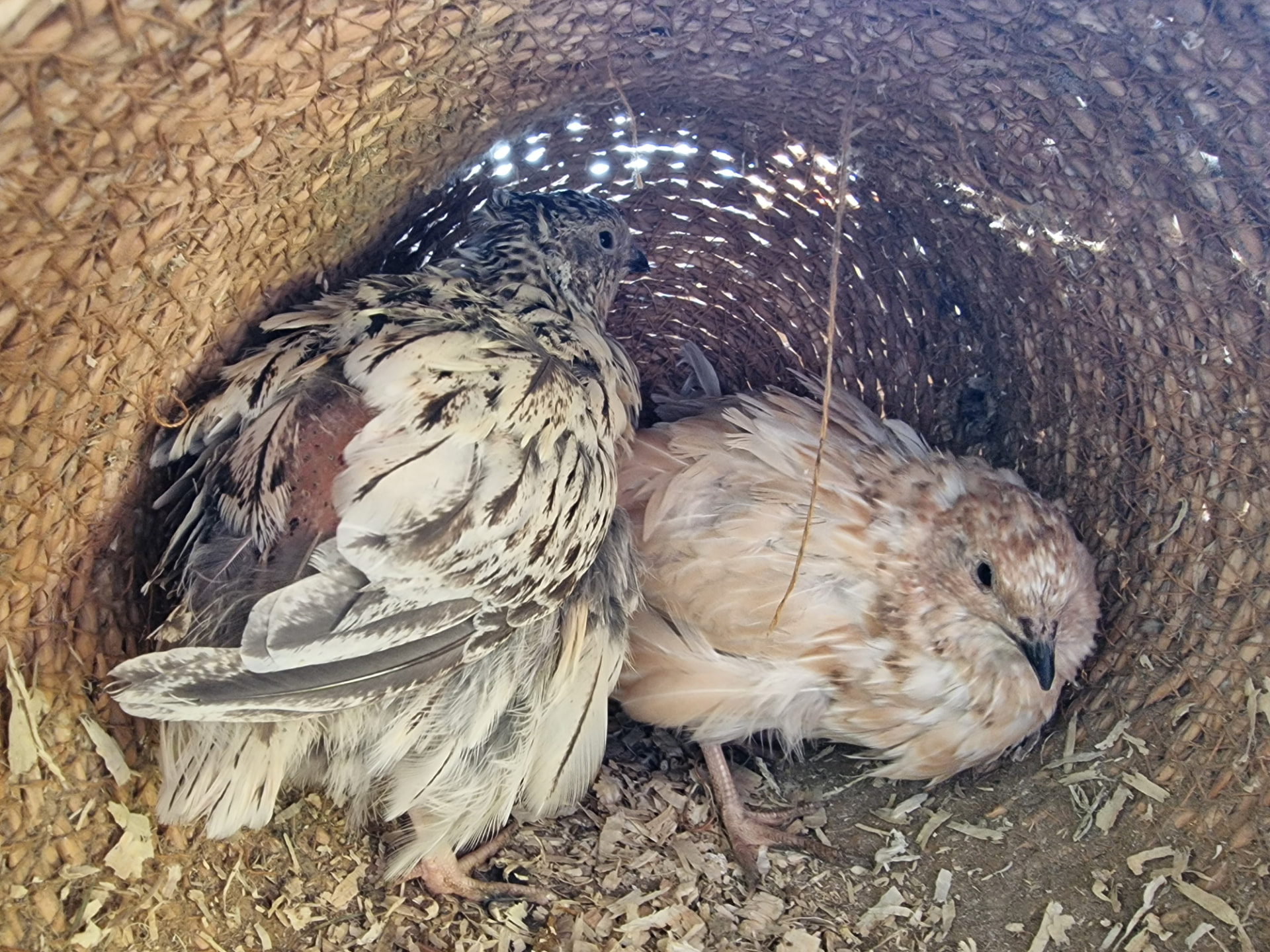
Molting is tough for quails and we should avoid causing them unnecessary stress. Make sure they have good hiding places where they can retreat. Feel free to read Furnishings: tips for good hiding places for quails.
The dust bath should always be available, even during the molting.
What food can support quails during molting?
Feathers are made up of protein. When quails lose their feathers, it may be beneficial to give them a more protein-rich feed, or vitamin supplements.
Calcium and minerals are also important.
During the molting, I use Mauser-Fit, a vitamin supplement I sell in my shop. It's liquid, so I can easily add it to the drinking water.
It's specially developed for quails and chickens, and contains the vitamins and nutrients they need during molting.
Mauser-Fit can be safely used by both hens and roosters.
Do quails stop laying eggs during molting?
Yes, it's normal that they stop laying eggs or lay fewer eggs during molting.
Quails use a lot of energy to produce new feathers and prioritise feather production over eggs.
Summary
When quails lose their feathers, they are usually molting. Molting is a natural process in which the plumage is replaced.
You can help by giving them some peace and quiet, and offering nutritious feed or vitamin supplements. This will give the quails a healthy and strong plumage that will last until the next molt.
Good luck! ❤️